Electronic Enclosure Design Service
We help companies develop electronic enclosures that are engineered for manufacturability, assembly, and production.
Designing an enclosure for electronics involves more than simply creating an outer housing. A successful enclosure must protect internal components, support assembly, manage tolerances, account for manufacturing constraints, and create a practical path from prototype to production.
At 3D DFM, we develop electronic enclosures for products such as PCB-based devices, industrial equipment, IoT hardware, robotics systems, control units, and medical electronics. Our work focuses on creating enclosure systems that are practical to manufacture, easy to assemble, and aligned with the intended production process.
With more than 30 years of Design for Manufacturing experience, we help teams reduce tooling risk, improve product quality, and avoid costly enclosure redesigns later in development.
Whether you are building a new electronic device or refining an existing housing before production, we help ensure your enclosure is ready for manufacturing.
This is typically supported through our Design for Manufacturing consulting service
Electronic Enclosure Design for Manufacturing
Electronic enclosure design requires a balance between product function, manufacturability, assembly, durability, appearance and should align with proven design for manufacturing principles.
A well-designed enclosure must do more than hold the electronics. It must also support the full product development process, including prototype testing, internal component integration, fastening strategy, sealing requirements, and preparation for manufacturing.
PCB enclosure design showing internal component layout, mounting features, and manufacturable housing structure.
Our enclosure design work typically includes:
PCB Mounting and Internal Architecture
Electronic products often depend on stable internal mounting features for the PCB, connectors, batteries, switches, displays, and supporting hardware.
We design internal architecture that helps:
secure electronic components
maintain correct clearances
support assembly
improve product robustness
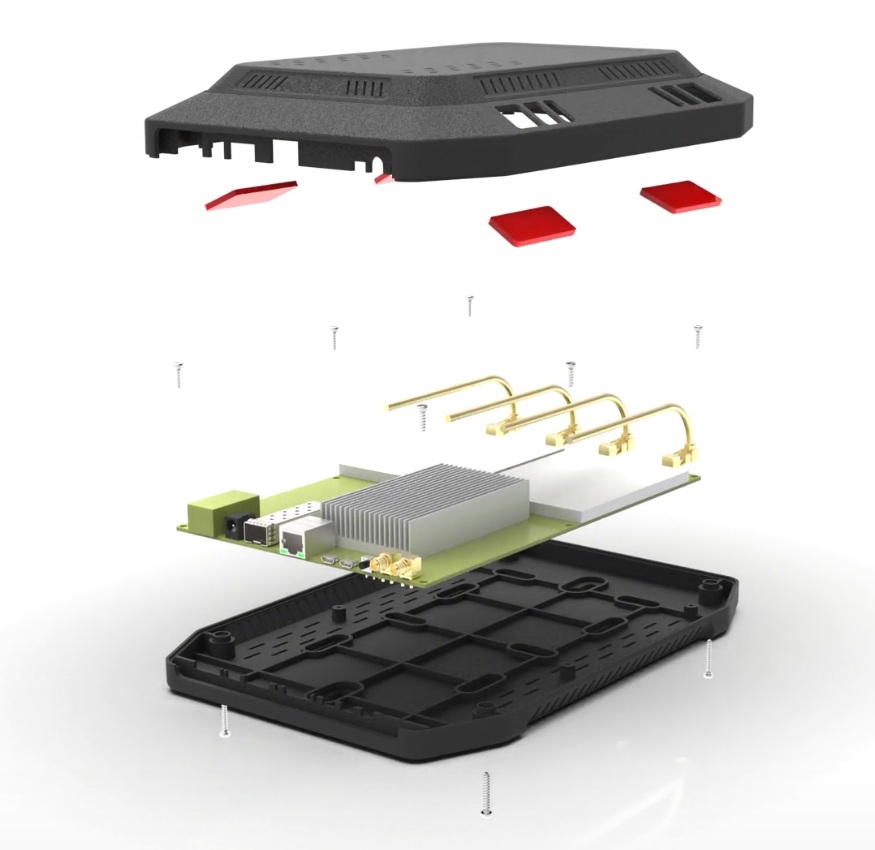
PCB enclosure design showing internal component layout, mounting features, and manufacturable housing structure.
Assembly Strategy
A good enclosure must be practical to assemble consistently in production.
We develop assembly concepts that support:
screw fastening
snap-fit features
inserts
sealing strategies
efficient part alignment
Manufacturing Process Selection
Electronic housings may be manufactured using:
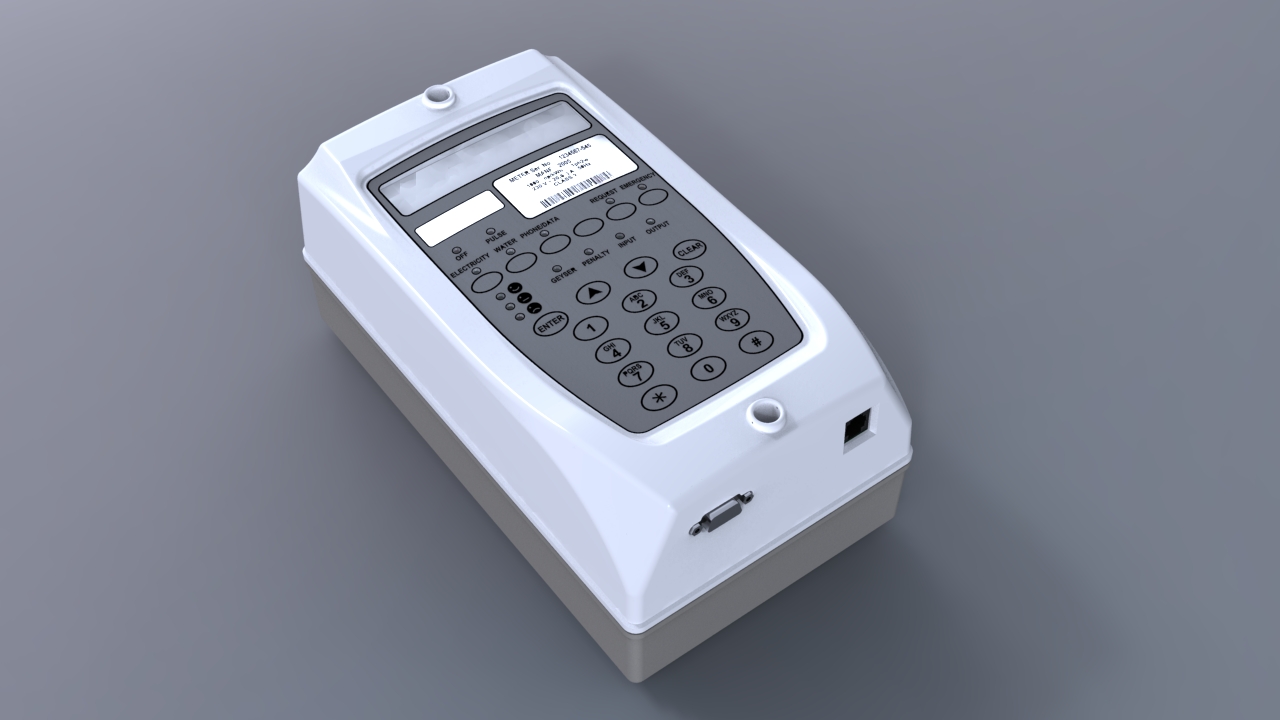
Electronic enclosure design for a PCB-based product showing production-ready housing geometry and assembly features.
We help align the design with the correct process based on the product stage, material requirements, and production goals.
For plastic housings intended for tooling, our Injection Molding Design service supports wall thickness strategy, ribs, bosses, draft angles, and tooling preparation
Tolerance and Fit Considerations
Electronic enclosures must manage fit between multiple parts, internal components, and user interface elements such as buttons, ports, and displays.
We design with practical tolerances that support manufacturability while maintaining product fit and function.
Common Electronic Enclosure Design Challenges
Many enclosure problems begin when electronics packaging is treated as a cosmetic shell instead of an engineered system.
Common design challenges include:
Poor Internal Space Planning
If internal components are not arranged correctly, the enclosure may become larger than necessary or difficult to assemble.
We help optimize internal packaging so the enclosure supports both functionality and manufacturability.
Weak PCB Support
Improper PCB mounting can create problems with assembly, durability, and field performance.
We design mounting features that support stability, manufacturability, and serviceability where required.
Port and Connector Alignment Issues
USB ports, switches, LEDs, charging points, speakers, and displays all need correct positioning relative to the enclosure.
Poor alignment often creates fit problems, cosmetic issues, or difficult assembly.
Inadequate Sealing Strategy
Products exposed to water, dust, or outdoor conditions require sealing concepts that are realistic for the manufacturing process and assembly method.
Manufacturing Mismatch
A design that works for a prototype may not be suitable for injection molding or volume production a common issue explained in our
3D Printing vs Injection Molding guide
We help ensure enclosure geometry supports the intended production method.
PCB Enclosure Design
Many electronic products begin with a PCB layout, but turning that board into a robust product requires careful enclosure engineering.
Our PCB enclosure design work considers:
board size and clearances
mounting points
connector access
cable routing
battery packaging
antenna space
ventilation where required
user interface integration
A good PCB enclosure design protects the electronics while also supporting assembly, service access, and manufacturing efficiency.
This is particularly important for:
IoT devices
control systems
handheld electronics
test equipment
medical devices
industrial electronics
Waterproof Electronic Enclosure Design
Some products require protection against water, dust, or harsh environments. In these cases, enclosure design must account for sealing, part interfaces, fastening, and manufacturing tolerances from the beginning.
Waterproof enclosure design may include:
gasket channels
compression features
screw fastening strategy
interface control
cable sealing concepts
port protection
- based on correct sealing design considerations
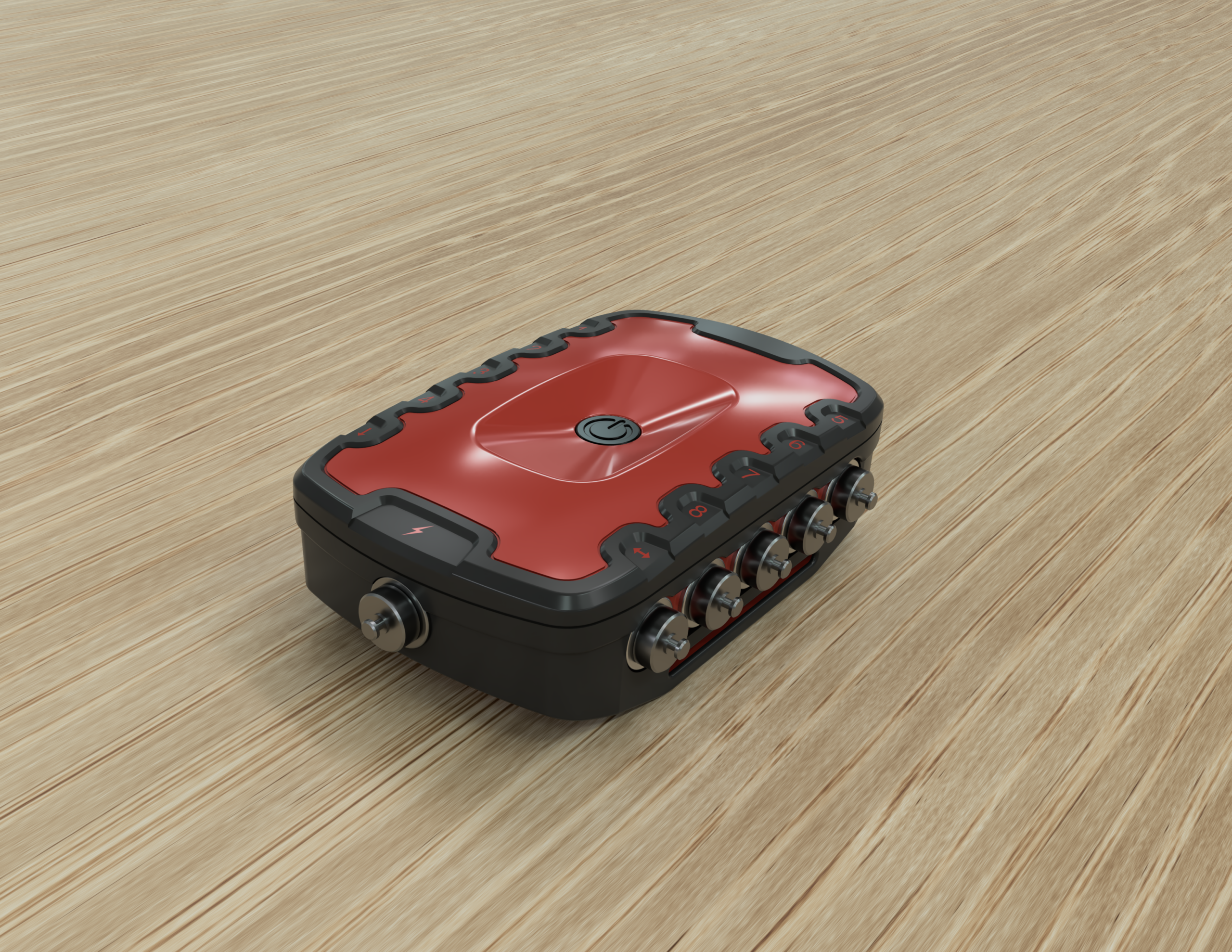
Waterproof electronic enclosure design showing gasket sealing interface and enclosure joint strategy.
We help develop enclosure concepts that support practical sealing strategies while still remaining manufacturable.
For products that combine plastic housings with metal chassis, brackets, or covers, we also provide Sheet Metal Design services.
Injection Molded Electronic Enclosures
Many electronic products are best suited to injection molded housings for production.
Injection molded enclosures allow for:
lower unit cost at volume
strong cosmetic control
internal ribs and bosses
integrated clips and fasteners
repeatable assembly features
However, these housings must be engineered correctly to avoid tooling issues and production defects.
Important considerations include:
wall thickness consistency
draft angles
rib and boss proportions
parting line strategy
gate considerations
assembly features
sealing interfaces
- These follow established injection molding design guidelines
Our design approach ensures the enclosure is developed as a manufacturable molded product, not just a concept shape.
Our Electronic Enclosure Design Process
Our process is structured to guide enclosure development from requirements through production-ready design.
1. Product Requirements and Electronics Review
We begin by reviewing the electronics, functional requirements, environmental needs, user interactions, and production goals.
2. Internal Packaging Strategy
We define the internal arrangement of the PCB, battery, connectors, displays, speakers, membranes, fasteners, and other components.
3. Enclosure CAD Development
We develop the enclosure structure, outer form, internal supports, and assembly features using professional CAD tools.
4. DFM Optimization
The design is refined to align with the selected manufacturing process and reduce production risks.
Our Design for Manufacturing consulting service can also be used early in the project to identify enclosure and production risks before prototyping or tooling begins.
5. Prototype and Production Preparation
Where needed, prototype models can be prepared for testing and refinement before moving to production tooling or fabrication.
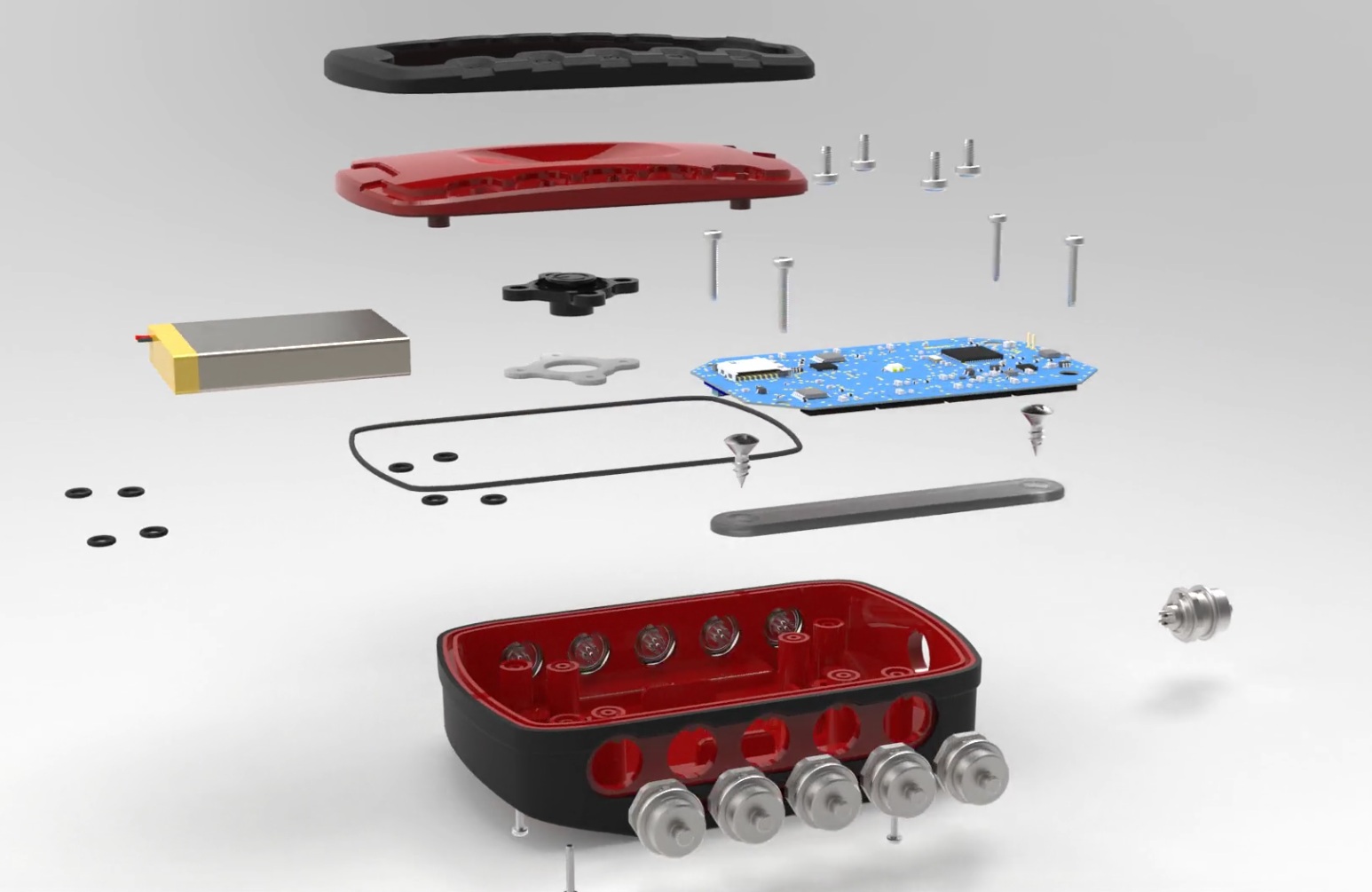
Exploded view of electronic enclosure showing PCB mounting, enclosure parts, and assembly structure.
Electronic Enclosure Case Study
A medical electronic product required a production-ready housing that could support internal PCB mounting, assembly, and durable use in a professional environment.
The enclosure needed to package the electronics cleanly while maintaining manufacturability and a robust assembly structure.
Our work focused on:
internal architecture for the electronics
manufacturable housing geometry
assembly feature development
production-oriented enclosure design
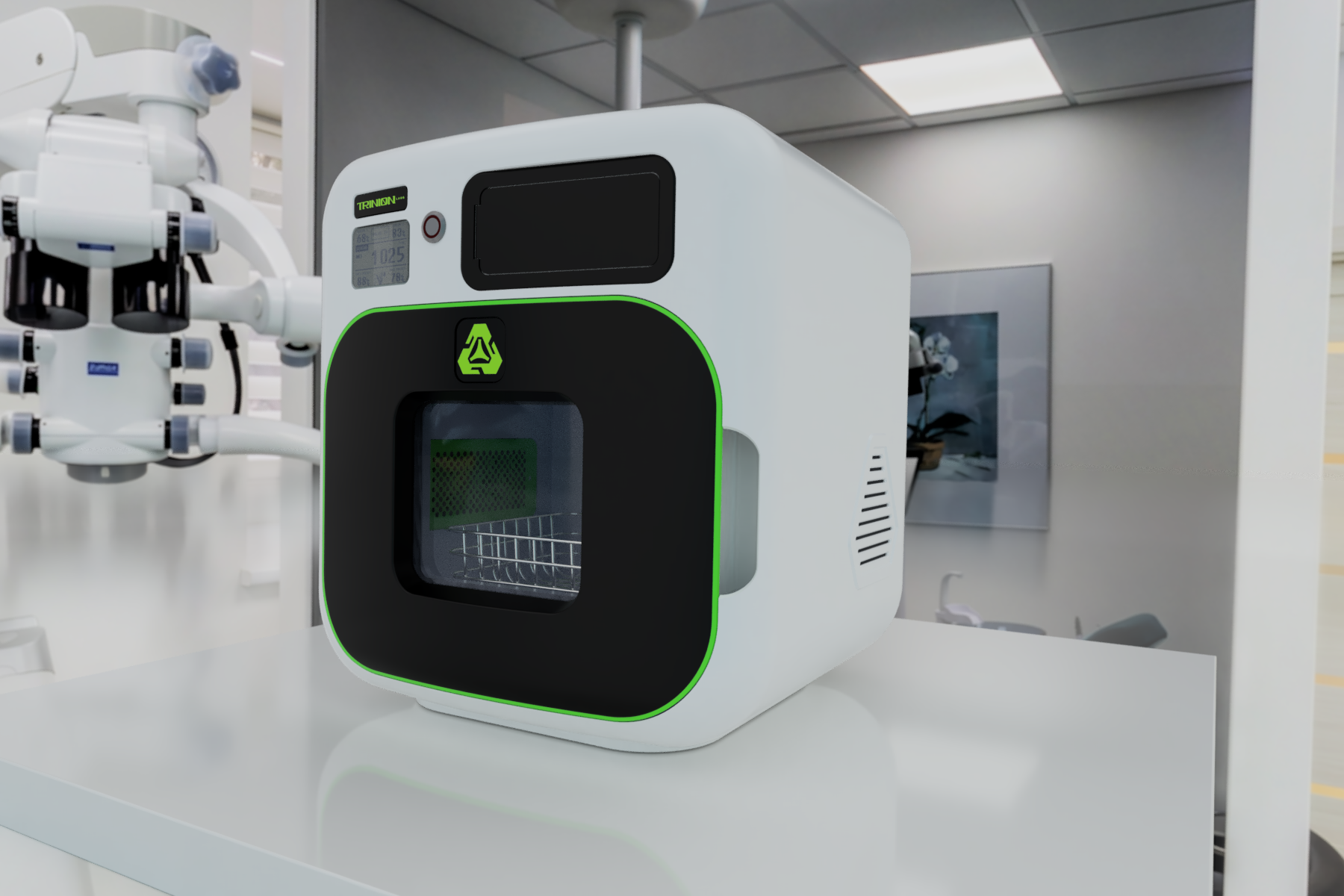
Medical electronic device enclosure designed for manufacturability, internal component packaging, and production-ready assembly.
The result was an enclosure concept better aligned with manufacturing and practical product development requirements.
Industries We Support
Our electronic enclosure design services support companies developing products in sectors such as:
consumer electronics
IoT devices
medical electronics
robotics and automation
industrial controls
smart devices
wearable and handheld products
These products often require enclosure systems that balance compact packaging, internal component protection, user interaction, and manufacturability.
Related Engineering Services
Many product development projects require multiple manufacturing processes and engineering disciplines.
Injection Molding Design
For plastic housings moving toward production tooling, we also provide Injection Molding Design services.
Sheet Metal Design
For chassis, brackets, structural frames, and metal enclosures, we also provide Sheet Metal Design Services.
Design for Manufacturing Consulting
For projects that need expert review before committing to tooling or prototype rounds, we provide Design for Manufacturing consulting.
Learn Electronic Enclosure Design
We are also building practical training resources for teams developing manufacturable hardware products.
Future short courses will cover topics such as:
electronic enclosure design fundamentals
PCB packaging strategy
waterproof enclosure design
fastening and assembly methods
enclosure DFM principles
Frequently Asked Questions About Electronic Enclosure Design
What is electronic enclosure design?
Electronic enclosure design is the process of developing the housing that protects and supports the electronics in a product. This includes the outer case, internal mounting features, fastening strategy, component clearances, and preparation for manufacturing.
Can you design enclosures for PCB-based devices?
Yes. We design enclosures for PCB-based products including internal mounting points, connector access, battery packaging, display openings, assembly features, and manufacturable housing structures.
What manufacturing processes are used for electronic enclosures?
Electronic enclosures are commonly produced using injection molding, sheet metal fabrication, CNC machining, or prototype 3D printing. The correct process depends on the product stage, material requirements, and production volume.
Can you help with waterproof electronic enclosure design?
Yes. Waterproof enclosure development may require gasket channels, compression features, fastening strategy, and interface control. These features need to be designed with both sealing and manufacturability in mind.
What are the biggest mistakes in enclosure design?
Common mistakes include poor internal packaging, weak PCB support, connector misalignment, unrealistic sealing concepts, and designing a prototype housing that cannot transition easily to production.
Do you only help with new product development?
No. We also help improve existing enclosure designs before prototyping, pilot production, or tooling. This may include DFM review, assembly improvements, sealing refinements, or redesign of specific problem areas.
How much does electronic enclosure design typically cost?
Costs vary depending on the product complexity, number of parts, internal packaging requirements, and manufacturing process. Many professional enclosure development projects typically range from $3,000 to $15,000 depending on scope.
Engineering Resources
Start Your Electronic Enclosure Project
If you are developing a PCB-based product, electronic device, or manufacturable hardware enclosure, early engineering decisions can strongly affect assembly, reliability, tooling cost, and production success as explained in our Design for Manufacturing guide
We help companies develop enclosure systems that are practical, robust, and ready for manufacturing.
Contact us to discuss your electronic enclosure design project.