Sheet Metal Design Service
We help companies develop sheet metal products that are engineered for manufacturability, fabrication, and production.
Sheet metal fabrication is widely used in electronic enclosures, industrial equipment, mechanical assemblies, and structural components. However, many designs created during early product development do not account for bending limits, manufacturing tolerances, assembly requirements, or fabrication constraints.
At 3D DFM, we design sheet metal parts and assemblies with production in mind. Our work focuses on bend geometry, flat pattern development, assembly structure, fabrication methods, and manufacturing efficiency.
With more than 30 years of Design for Manufacturing experience, we help engineering teams develop sheet metal components that are practical to manufacture and reliable in production.
Our sheet metal design services support products such as:
electronic equipment enclosures
control panels
industrial machinery housings
brackets and structural components
sheet metal chassis systems
mechanical support structures
Whether you are developing a new product or preparing a design for fabrication, we help ensure your sheet metal components are ready for manufacturing.
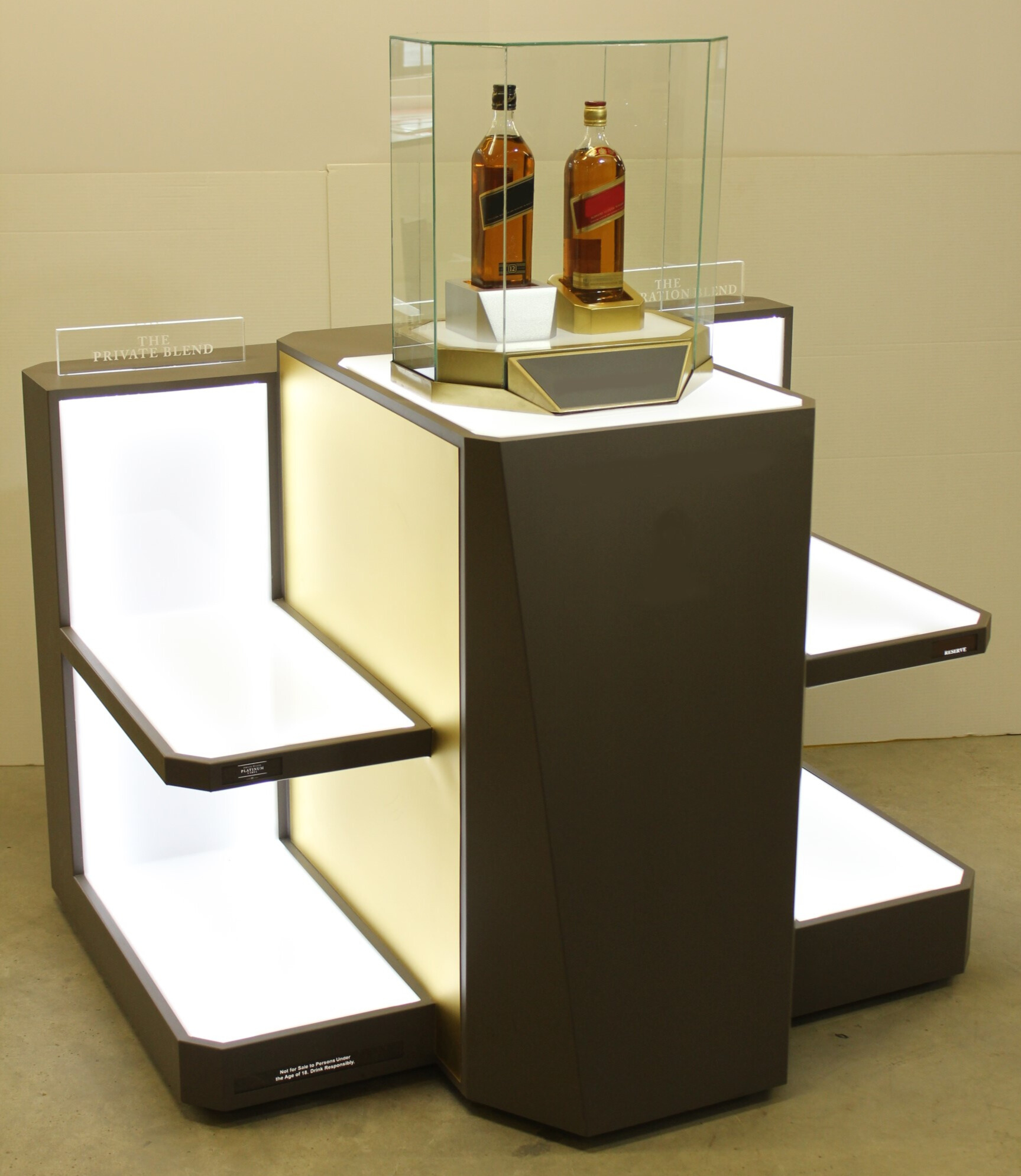
Sheet metal bend geometry example showing complex display system
Sheet Metal Product Design for Manufacturing
Successful sheet metal products require more than just defining the outer shape of a part. Designs must account for material behavior, fabrication processes, assembly structure, and production efficiency.
Our design work typically includes:
Bend Geometry and Radius
Bending operations require proper bend radius, flange length, and bend relief features.
Improper bend geometry often leads to:
cracked material
fabrication difficulties
dimensional distortion
assembly misalignment
We design sheet metal parts with realistic bending constraints to ensure reliable fabrication.
Flat Pattern Development
Sheet metal parts must be developed with accurate flat patterns so they can be laser cut, punched, or stamped before forming.
We ensure flat pattern geometry accounts for:
bend allowances
bend deductions
manufacturing tolerances
Fabrication Method Selection
Sheet metal parts may be manufactured using:
laser cutting
punching
bending
stamping
welding
We help align the design with the correct fabrication method based on part complexity, material, and production volume.
Assembly Structure
Many sheet metal products are built from multiple components.
We design assemblies that support:
consistent fabrication
reliable alignment
efficient assembly
structural strength
Common Sheet Metal Design Challenges
Many sheet metal problems occur when designs are created without considering fabrication constraints.
Typical design issues include:
Incorrect Bend Radii
If bend radii are too small for the material thickness, the metal may crack during forming.
Insufficient Flange Length
Flanges that are too short cannot be bent properly during fabrication.
Poor Assembly Alignment
Misaligned holes, slots, and features often create assembly problems and inconsistent results.
Excessive Part Count
Overly complex assemblies increase manufacturing cost and production time.
Fabrication Process Mismatch
Some designs require fabrication methods that are unrealistic for the intended production environment.
We help resolve these issues early in development before fabrication begins.
Sheet Metal Enclosure Design
Sheet metal enclosures are widely used in industrial electronics, control systems, power equipment, and machinery.
These enclosures must protect internal components while remaining practical to manufacture and assemble.
Our enclosure design work considers:
internal component packaging
cable routing
ventilation
access panels
assembly interfaces
structural stiffness
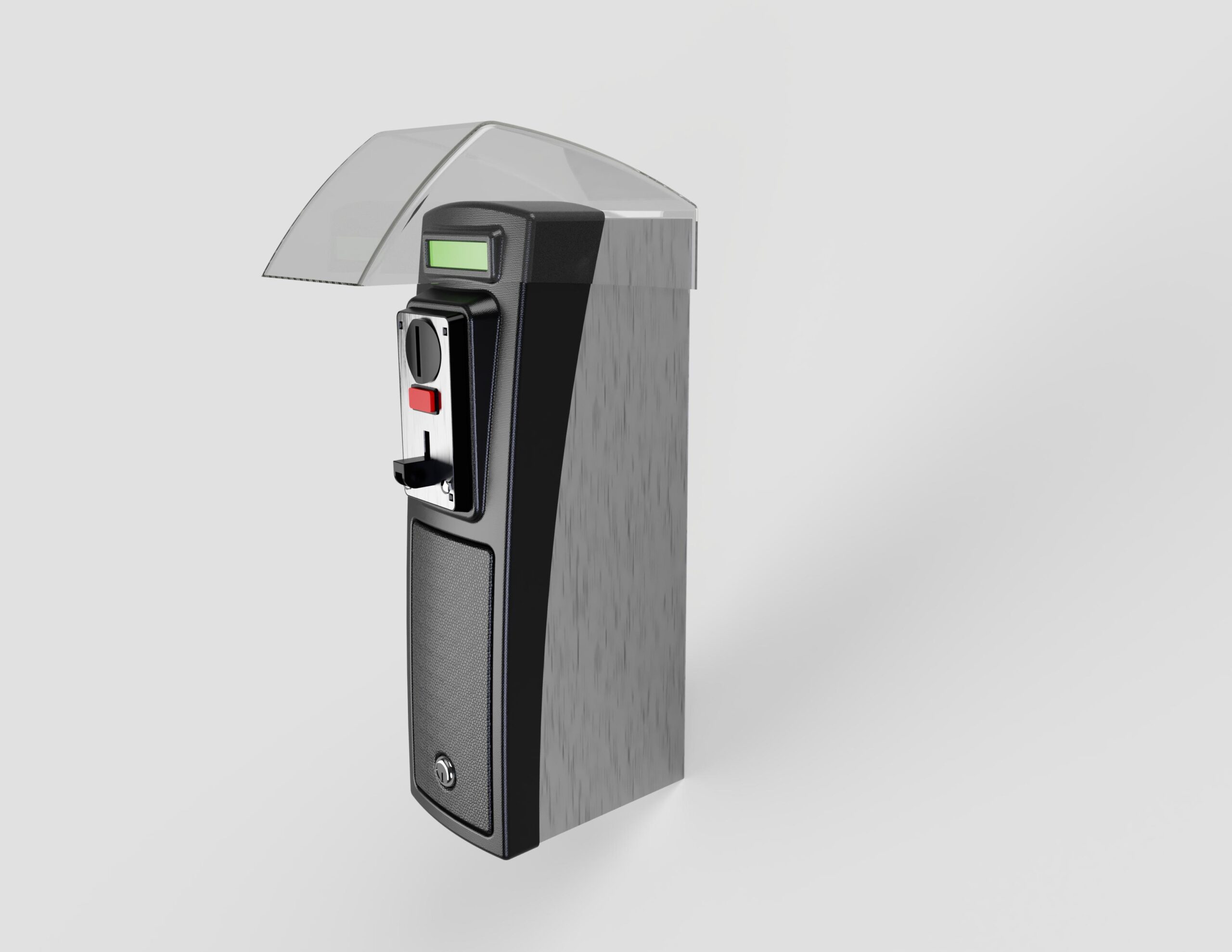
Sheet metal enclosure design showing manufacturable electronic equipment housing.
Sheet metal housings are often combined with plastic components developed through our Injection Molding Design service.
This combination is common in electronic products where plastic covers and metal chassis work together.
Sheet Metal Chassis and Structural Components
Many electronic and industrial products require internal chassis systems that support PCBs, power supplies, connectors, and mechanical components.
We develop sheet metal chassis designs that provide:
structural rigidity
component mounting features
manufacturable geometry
consistent assembly alignment
These chassis systems are commonly used in:
electronic equipment
industrial control systems
robotics hardware
instrumentation devices
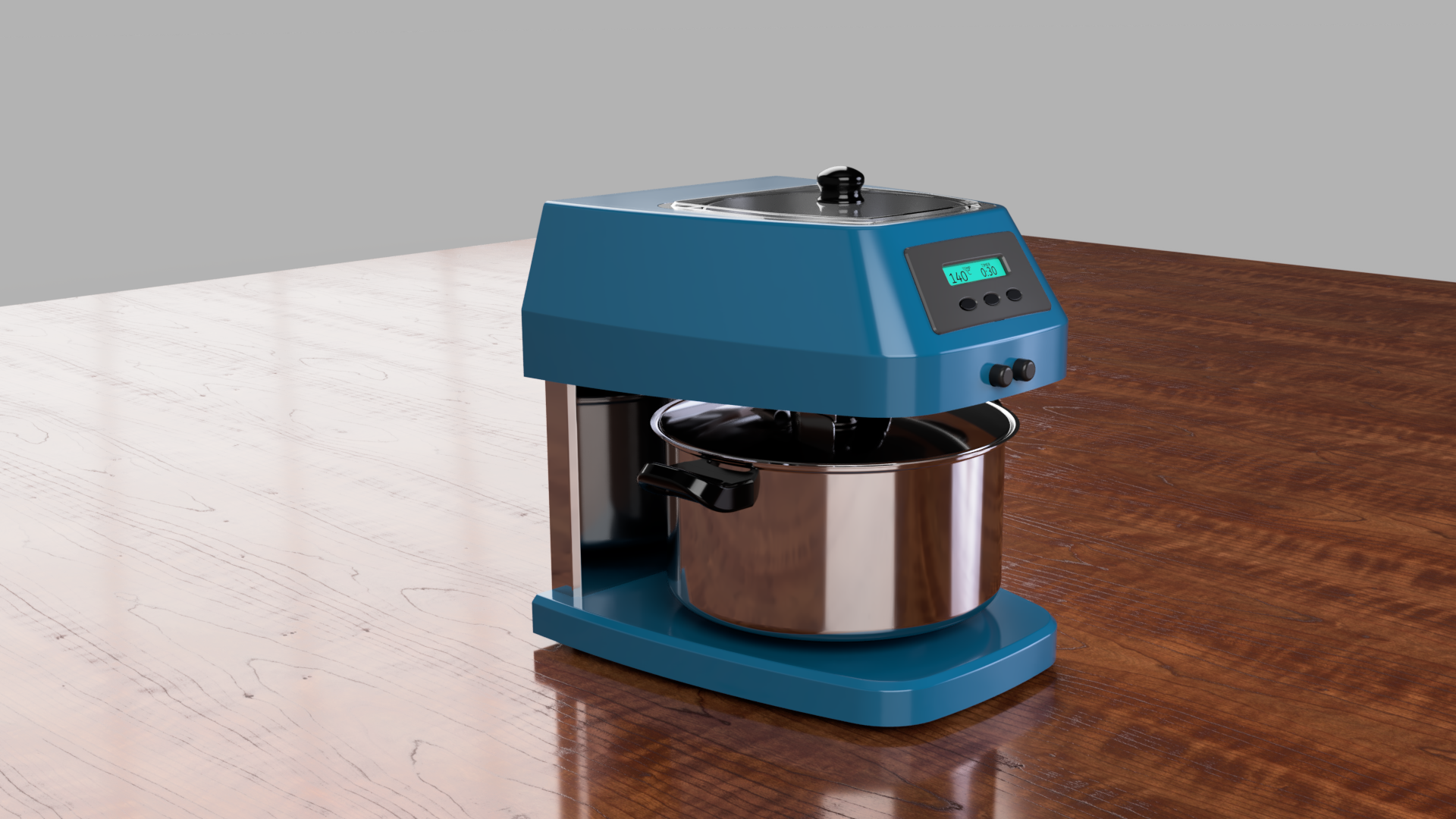
Sheet metal chassis design for electronic equipment with PCB mounting and structural supports
Sheet Metal Design Guidelines
Effective sheet metal design follows several practical engineering guidelines.
Minimum Bend Radius
A typical minimum bend radius is often around 1x the material thickness, depending on the material and manufacturing process.
Bend Relief Features
Bend relief prevents material tearing where bends meet other geometry.
Hole Distance from Bends
Holes and slots should be placed far enough from bends to avoid distortion during forming.
Material Thickness Selection
Common sheet metal thicknesses include:
1 mm
1.5 mm
2 mm
3 mm
The correct thickness depends on strength requirements and fabrication methods.
Our Sheet Metal Design Process
Our engineering workflow supports the development of manufacturable sheet metal products from concept through production preparation.
1. Product Requirements
We review the product function, structural requirements, manufacturing constraints, and assembly needs.
2. Component Packaging
We define the layout of internal components, mounting features, and structural interfaces.
3. CAD Development
Using professional CAD tools, we develop the sheet metal geometry, bend features, and assembly structure.
4. DFM Optimization
The design is evaluated to ensure it aligns with fabrication methods and manufacturing constraints.
Our Design for Manufacturing consulting service can also be used early in development to identify fabrication risks.
5. Production Preparation
Final CAD models and fabrication drawings are prepared to support manufacturing.
Sheet Metal Design Case Study
A piece of industrial equipment required a sheet metal enclosure and structural mounting system for internal electronics.
The original concept required multiple welded parts and complex assembly steps.
We redesigned the structure to:
simplify fabrication
reduce part count
improve assembly alignment
support consistent production
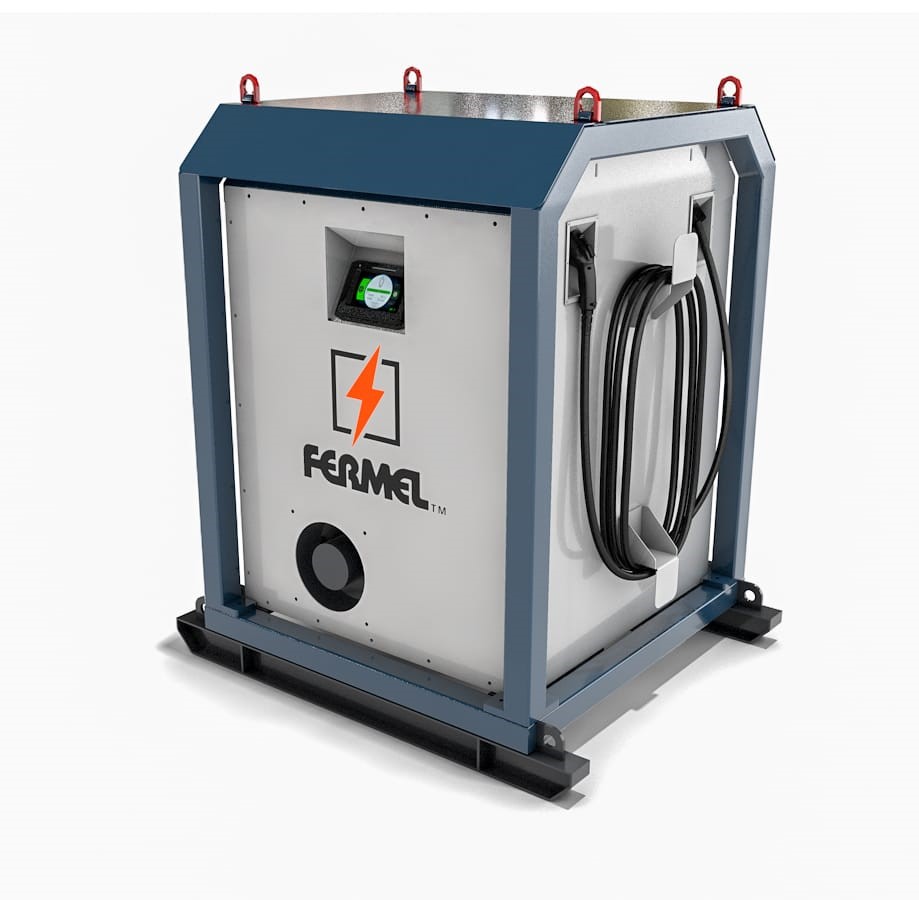
Industrial sheet metal enclosure assembly showing structural fabrication design
The updated design allowed the product to be manufactured more efficiently while maintaining structural integrity.
Industries We Support
Our sheet metal design services support products in industries such as:
industrial electronics
robotics and automation
manufacturing equipment
instrumentation systems
control hardware
test equipment
These products often require structural durability, precise assembly interfaces, and manufacturable fabrication geometry.
Related Engineering Services
Many products combine multiple manufacturing processes.
Injection Molding Design
For plastic housings and molded components, we also provide Injection Molding Design services.
Electronic Enclosure Design
For PCB housings and electronic device packaging, we also provide Electronic Enclosure Design services.
Design for Manufacturing Consulting
For early engineering review before fabrication or tooling, we also provide Design for Manufacturing consulting.
Learn Sheet Metal Design
We are also developing training resources focused on manufacturable product development.
Future courses will cover topics such as:
sheet metal design fundamentals
bend geometry and fabrication rules
enclosure development
assembly design
Frequently Asked Questions About Sheet Metal Design
What is sheet metal design?
Sheet metal design is the engineering process of developing parts and assemblies that can be manufactured from metal sheets through cutting, bending, forming, and fabrication processes.
What materials are commonly used for sheet metal products?
Common materials include steel, stainless steel, and aluminum. The correct choice depends on structural requirements, corrosion resistance, weight, and manufacturing considerations.
What manufacturing processes are used for sheet metal fabrication?
Common fabrication processes include laser cutting, punching, bending, stamping, and welding.
Can sheet metal be used for electronic enclosures?
Yes. Sheet metal is commonly used for electronic equipment enclosures, control panels, and chassis systems because it provides strength, durability, and electromagnetic shielding.
What are the most common sheet metal design mistakes?
Common mistakes include incorrect bend radii, insufficient flange lengths, holes placed too close to bends, and designs that require unrealistic fabrication methods.
Do you only design new products?
No. We also help improve existing sheet metal designs before fabrication to reduce cost, simplify assembly, and improve manufacturability.
How much does sheet metal design typically cost?
Costs vary depending on part complexity and assembly structure. Many professional sheet metal design projects typically range from $3,000 to $15,000 depending on scope.
Engineering Resources
Start Your Sheet Metal Design Project
If you are developing a product that requires sheet metal components, early engineering decisions strongly influence fabrication cost, assembly efficiency, and manufacturing reliability.
We help companies develop sheet metal products that are practical to fabricate and ready for production.
Start your project today.