Injection Molding Design Service
We help hardware companies develop injection-molded products that are ready for manufacturing.
Injection molding is one of the most efficient methods for producing plastic components at scale. But when parts are not designed correctly for the process, the result is often expensive tooling changes, manufacturing delays, cosmetic defects, and redesign work that could have been avoided.
At 3D DFM, we design plastic parts with manufacturability built in from the start. Our work focuses on wall thickness strategy, structural performance, tooling efficiency, assembly design, and production readiness so products move more smoothly from concept to tooling.
With more than 30 years of Design for Manufacturing experience, we help teams reduce risk, improve part quality, and avoid common mistakes that increase tooling cost or create production problems.
We support companies developing products in industries such as consumer electronics, industrial equipment, robotics, medical devices, and IoT hardware.
Whether you are preparing a new product for tooling or improving an existing design before production, we help ensure your plastic parts are engineered for efficient manufacturing.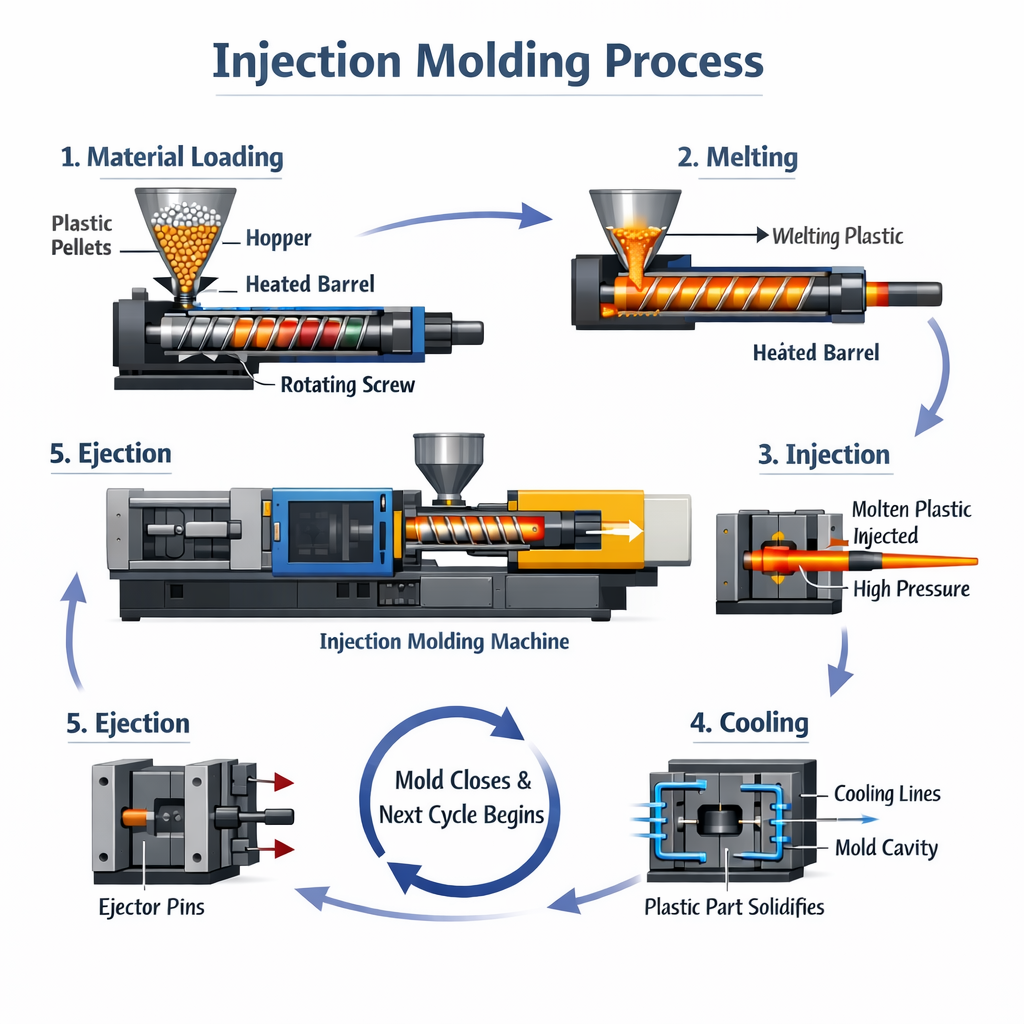 Injection Molding Process Diagram
Injection Molded Product Design for Manufacturing
Injection molding is a powerful manufacturing process for plastic products, but successful results depend on making the right engineering decisions early in the design stage.
Our approach focuses on designing specifically for injection molding, not simply creating a concept and trying to adapt it for production later.
We optimize key areas such as:
Wall Thickness Strategy
Uniform wall thickness is critical in injection molded part design. Poor thickness control often leads to sink marks, warpage, inconsistent cooling, and filling problems.
We design parts with balanced wall sections to improve structural integrity while supporting proper mold filling and cooling performance.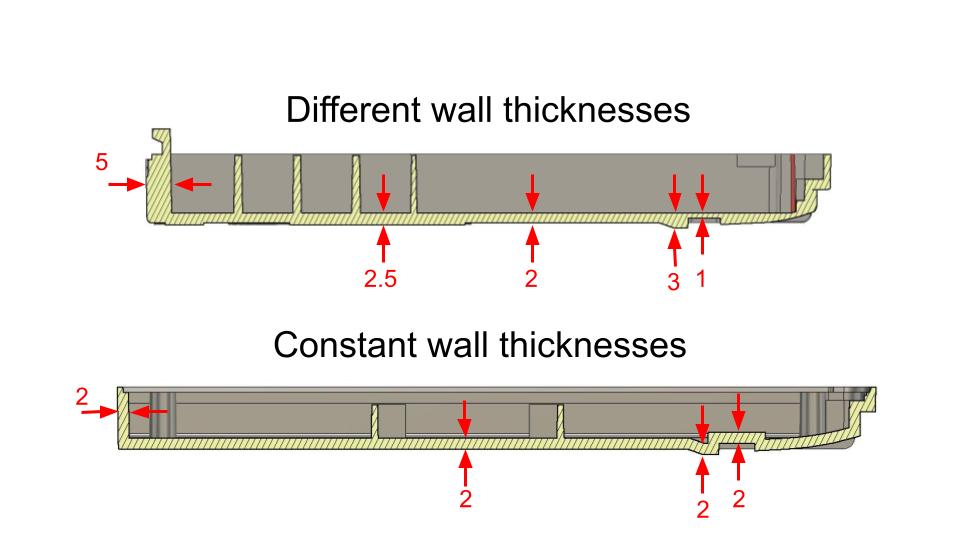 Wall thickness guidelines for injection molded plastic parts
Rib and Boss Design
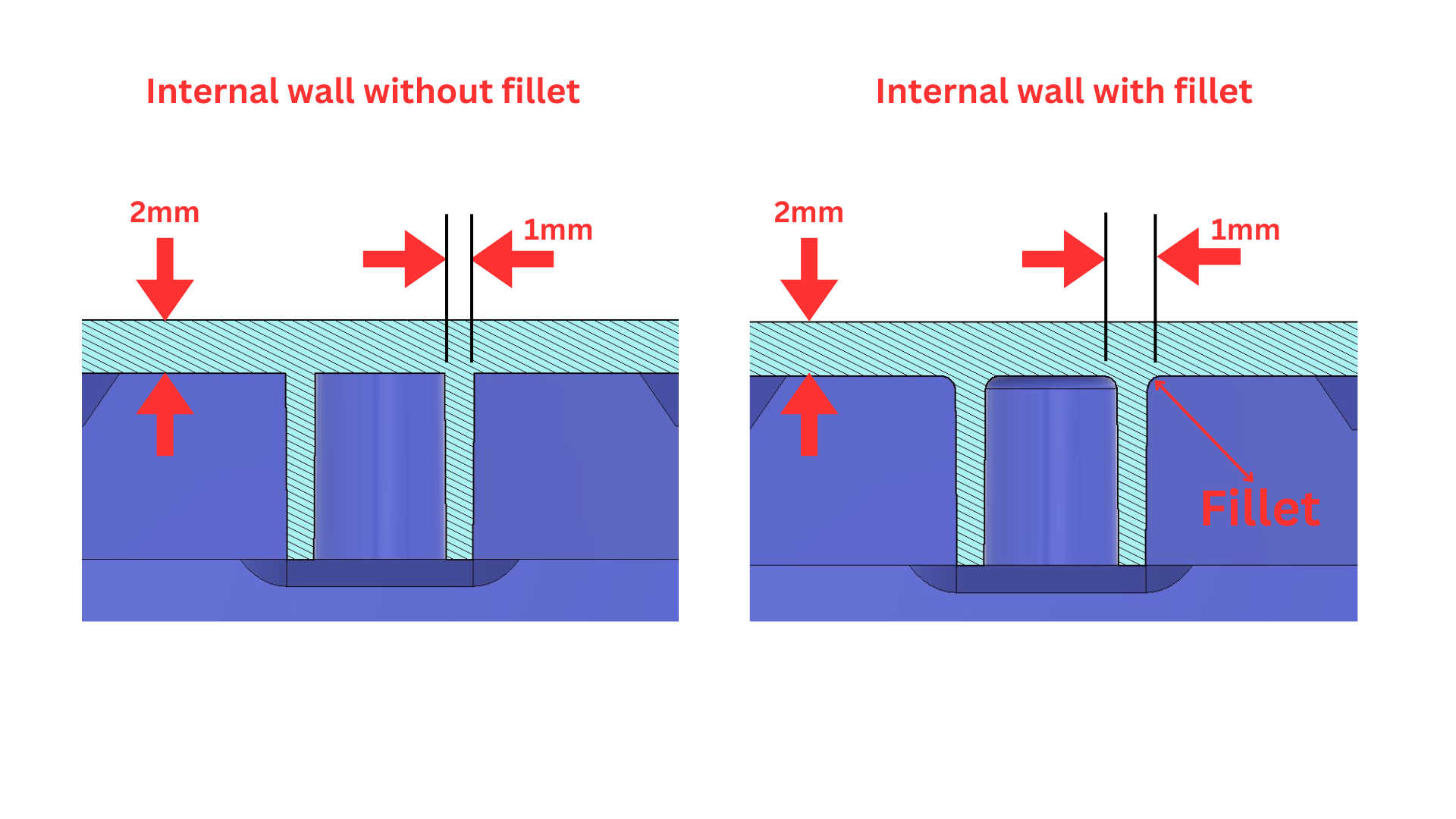
Ribs and bosses are essential features in many molded products. When designed correctly, they improve stiffness, support assembly features, and strengthen components without adding unnecessary material.
We optimize these features to:
improve stiffness
support screw fastening
reduce sink marks
improve load distribution
Draft Angles
Draft angles allow the molded part to release cleanly from the tool.
Insufficient draft can cause:
part sticking
drag marks
surface damage
increased mold wear
We design draft angles that support manufacturability while also respecting visual and functional requirements.
 Draft Angle guidelines for injection molded plastic parts
Undercuts and Tooling Complexity
Undercuts often require slides, lifters, or more complex tooling actions, which increases mold cost and manufacturing risk.
Our design process evaluates where undercuts are necessary and where they can be removed or simplified to improve tooling efficiency.
Assembly Design
Many injection molded products involve two or more parts that need to fit together consistently and assemble efficiently.
We design with assembly in mind to improve manufacturability, durability, and repeatability in production.
Common Injection Molding Design Problems
Many production issues in plastic products begin long before tooling starts. They usually come from design decisions that did not fully account for manufacturing constraints.
Common problems include:
Sink Marks
Sink marks often appear in thicker sections or near ribs and bosses where material cools unevenly.
We reduce this risk by optimizing wall thickness and internal support feature design.
Warpage
Warpage occurs when internal stresses build up during cooling. This usually results from uneven wall thickness, poor rib placement, or geometry that cools inconsistently.
We design parts to reduce differential shrinkage and improve dimensional stability.
Short Shots
Short shots happen when molten plastic does not fully fill the mold cavity.
This can be caused by thin wall sections, poor flow paths, difficult geometry, or unsuitable gate strategy.
Poor Draft Angles
Without sufficient draft, parts may stick in the mold and become damaged during ejection.
This creates unnecessary manufacturing risk and often leads to cosmetic quality issues.
Overly Complex Tooling
Designs with unnecessary undercuts, side actions, inserts, or parting complications increase tooling cost and development time.
We simplify parts where possible to reduce tooling complexity without compromising performance.
Injection Molding Design Guidelines
Successful injection molded products follow a number of practical engineering guidelines. These help reduce defects, control tooling cost, and improve production consistency.
Typical Wall Thickness Guidelines
| Material | Recommended Wall Thickness |
|---|---|
| ABS | 1.5 – 3.0 mm |
| Polycarbonate | 1.0 – 3.0 mm |
| Polypropylene | 1.0 – 4.0 mm |
| Nylon | 1.0 – 3.0 mm |
Actual wall thickness depends on part size, geometry, and performance requirements, but consistency across the part is one of the most important design principles.
Rib Thickness
Ribs are typically designed at around 40% to 60% of the nominal wall thickness to improve stiffness while reducing the risk of sink marks.
Draft Angles
Typical draft recommendations are:
1 degree for many standard molded surfaces
2 degrees or more for textured surfaces
Additional draft may be needed depending on material, surface finish, and part depth.
Boss Design
Bosses are commonly used for screws, inserts, and mounting points. Proper boss design helps prevent cracking, supports fastener strength, and improves manufacturability.
Bosses should be designed with attention to:
wall thickness ratio
rib support
stress concentration
material flow
Injection Molded Enclosure Design
Many injection molded products are electronic housings or equipment enclosures that must protect internal components while remaining manufacturable and easy to assemble.
Our enclosure design work includes:
PCB mounting features
cable management
internal support structures
snap-fit concepts
sealing concepts
assembly interfaces
Common enclosure design challenges include:
maintaining wall thickness consistency
integrating fasteners or clips
managing internal component clearances
achieving good cosmetic surfaces
designing for assembly and service access
Many molded housings are developed together with our Electronic Enclosure Design service.
Our goal is to create robust enclosure structures that are both manufacturing-ready and practical for real-world assembly.
Design for Manufacturing (DFM) for Injection Molding
Design for Manufacturing is one of the most important steps before committing to production tooling.
A strong DFM review helps identify design risks early, while changes are still easier and less costly to make.
Our Design for Manufacturing consulting service can also be used early in development to identify production risks before tooling begins.
Discuss your Project
Key areas of DFM analysis include:
Parting Line Strategy
The parting line has a major effect on mold construction, part appearance, shut-off quality, and tooling complexity.
We evaluate parting line options to simplify manufacturing and improve mold reliability.
Gate Location
Gate placement influences flow behavior, weld lines, pressure requirements, filling balance, and visible marks on the finished part.
We consider gate strategy as part of the overall manufacturability review.
Mold Flow Considerations
Material flow must be balanced across the part to reduce risks such as short shots, hesitation, weld lines, and filling imbalance.
Tooling Complexity
Slides, lifters, inserts, and special mold actions increase tool complexity and cost.
Where possible, we redesign features to remove unnecessary mold actions.
Assembly Optimization
Simpler assemblies generally reduce cost, improve reliability, and make manufacturing easier.
We evaluate opportunities to reduce part count and improve the interaction between molded components.
Our Injection Molding Design Process
Our workflow is structured to move products from concept through manufacturable CAD development and into production preparation.
1. Product Requirements Definition
We start by understanding the product function, constraints, performance needs, and manufacturing goals.
2. CAD Development
We develop the mechanical design of the part or assembly using professional CAD tools, with injection molding requirements considered from the beginning.
3. DFM Optimization
The design is reviewed and refined to improve moldability, reduce tooling risk, and support cost-effective production.
4. Prototype Development
Where needed, prototypes can be developed through 3D printing or other methods to validate design intent before tooling.
5. Production Preparation
Final CAD files and manufacturing documentation are prepared to support mold design, factory review, and production readiness.
Injection Molding Case Study
A medical device enclosure project required a manufacturability review before tooling.
The original design included multiple undercuts, inconsistent wall thickness, and areas where the assembly strategy increased tooling complexity.
Our DFM work identified several improvement areas, including:
redesign of internal mounting structures
better wall thickness control
reduction of unnecessary undercuts
improved assembly interface design
These changes simplified the mold design, reduced manufacturing risk, and improved confidence before production tooling started.
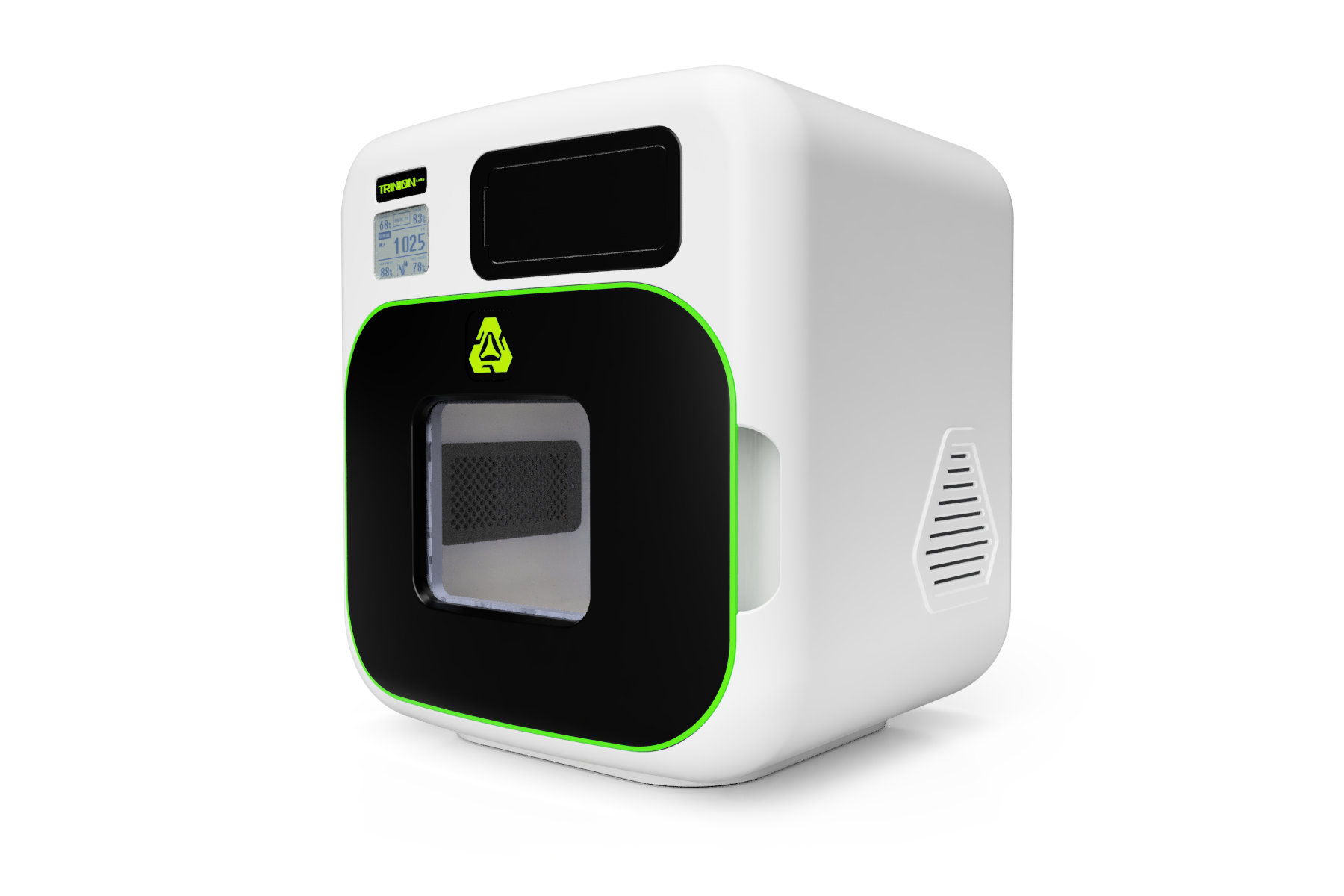 Example of an injection molded medical device enclosure developed with design for manufacturing principles.
Industries We Support
Our injection molding design services support companies developing products in sectors such as:
consumer electronics
robotics and automation
medical equipment
industrial products
IoT hardware
equipment housings
engineered plastic components
These industries often require a balance of performance, durability, manufacturability, and production efficiency.
Related Engineering Services
Many products involve more than one manufacturing process. In addition to injection molding design, we also support related engineering services.
Electronic Enclosure Design
For products involving PCBs, electronics packaging, device housings, or equipment covers, we also provide Electronic Enclosure Design services.
Sheet Metal Design
Some products combine molded plastic parts with sheet metal brackets, covers, chassis, or structural supports. In these cases we also provide Sheet Metal Design services.
Design for Manufacturing Consulting
For teams that need an expert review before prototype or tooling commitment, we also provide Design for Manufacturing consulting.
Learn Injection Molding Design
We also provide professional training covering the fundamentals of injection molding product design and manufacturability.
These short courses are intended for engineers, hardware startups, and teams preparing products for manufacturing.
Topics can include:
wall thickness design
rib and boss design
snap-fit design
draft angles
undercut strategy
tooling considerations
DFM fundamentals
This makes it easy to add course promotions later without changing the structure of the page.
Frequently Asked Questions About Injection Molding Design
When should injection molding design for manufacturing be done?
Design for Manufacturing should be done before tooling begins. Once mold design and toolmaking start, changes become significantly more expensive and slower to implement. A DFM review helps identify issues such as poor wall thickness, insufficient draft, undercuts, and assembly risks while changes are still manageable.
How much does injection molding product design typically cost?
Injection molding product design costs vary depending on the complexity of the product, the number of parts, and the level of engineering detail required. For many hardware products, professional injection molding design and DFM work typically falls in the range of $3,000 to $15,000, depending on scope.
What are the most common injection molding design mistakes?
Common mistakes include:
inconsistent wall thickness
insufficient draft angles
poorly designed ribs and bosses
unnecessary undercuts
complex tooling requirements
weak assembly design
These problems often result in tooling delays, increased mold cost, and production defects.
What materials are commonly used for injection molded products?
Common materials include:
ABS
Polycarbonate
Polypropylene
Nylon
PC-ABS blends
Material selection depends on strength, impact resistance, heat resistance, cosmetic requirements, environmental exposure, and manufacturing constraints.
How long does injection molding product development take?
The design phase for injection molded products often takes 2 to 6 weeks, depending on product complexity, feedback cycles, and engineering requirements. Tooling development and production preparation usually follow after the design has been finalized.
Can you help with injection molded electronic enclosures?
Yes. Many injection molded projects involve electronic housings with PCB mounting, internal supports, cable routing, assembly features, and sealing requirements. These products often overlap with our electronic enclosure design work.
Do you only help with new products?
No. We also help improve existing designs before tooling or production. This can include DFM reviews, enclosure improvements, wall thickness optimization, tooling simplification, or redesign of problem areas found during prototype development.
Engineering Resources
Snap Fit Design (future page)
Start Your Injection Molding Project
If you are preparing a plastic product for tooling, early design decisions can have a major effect on tooling cost, production efficiency, and final product quality.
We help companies optimize designs so they move more confidently from concept to production.
Contact us to discuss your injection molding design project and how we can help prepare your product for manufacturing.