Our Story
Early Career Challenges
At 3D DFM, we root our journey in passion, resilience, and a relentless pursuit of excellence in industrial design for manufacture.
For 29 years, I have worked on the factory floor, solving real-world manufacturing challenges and learning what it takes to create designs that thrive in production rather than just look good on paper. Industrial design bridges applied art and applied science, integrating aesthetic considerations with technical principles to create products that are both beautiful and functional.
This hands-on experience has shaped my expertise and reinforced my belief in the true value of design.
Learning from Experience
Working closely with manufacturers on the factory floor has shown me how their involvement and feedback have shaped the evolution of industrial design, connecting the craft-based roots of applied art with the demands of large-scale production.
However, my path has not always been easy. Early in my career, a “friend” told me, “Design has no value.” Those words stung as I struggled through the first 15-18 years of my business. There were months when I barely scraped by, and one incident stands out vividly.
A company I worked tirelessly for decided on December 15th that they no longer needed my services. They withheld my last payment, leaving me unable to fly my son to spend Christmas with me. Yet, by January 8th, they called for my help again. That moment became a turning point.
Valuing Design
It taught me to choose clients carefully and only work with those who value and respect my experience. Mutual benefit is essential in every client relationship and design project, ensuring that both parties achieve value and long-term success. It also taught me to stand up for my worth and never allow anyone to misuse my expertise again. A very true motto is that your value never changes, only the room you are standing in does!
Industrial design isn’t just my career; it embodies my heart and soul. It has been my passion since before school, and every project I undertake reflects that dedication. Over nearly three decades, I have learned to deliver designs that not only meet your vision but are also optimized for efficient, cost-effective manufacturing.
When you partner with BP Nel Consulting, you gain a collaborator who understands the challenges of bringing ideas to life and is deeply committed to your success. Let’s create something extraordinary together!
With this foundation, our mission is clear.
Our Mission
We assist our clients to develop their innovative ideas into economically manufactured products by designing products that improve lives.
Our industrial design services play a crucial role in the product development process, ensuring that each solution is functional, manufacturable, and user-focused.
Our mission drives us to deliver value at every stage of the product development journey. Next, let’s look at the role industrial designers play in this process.
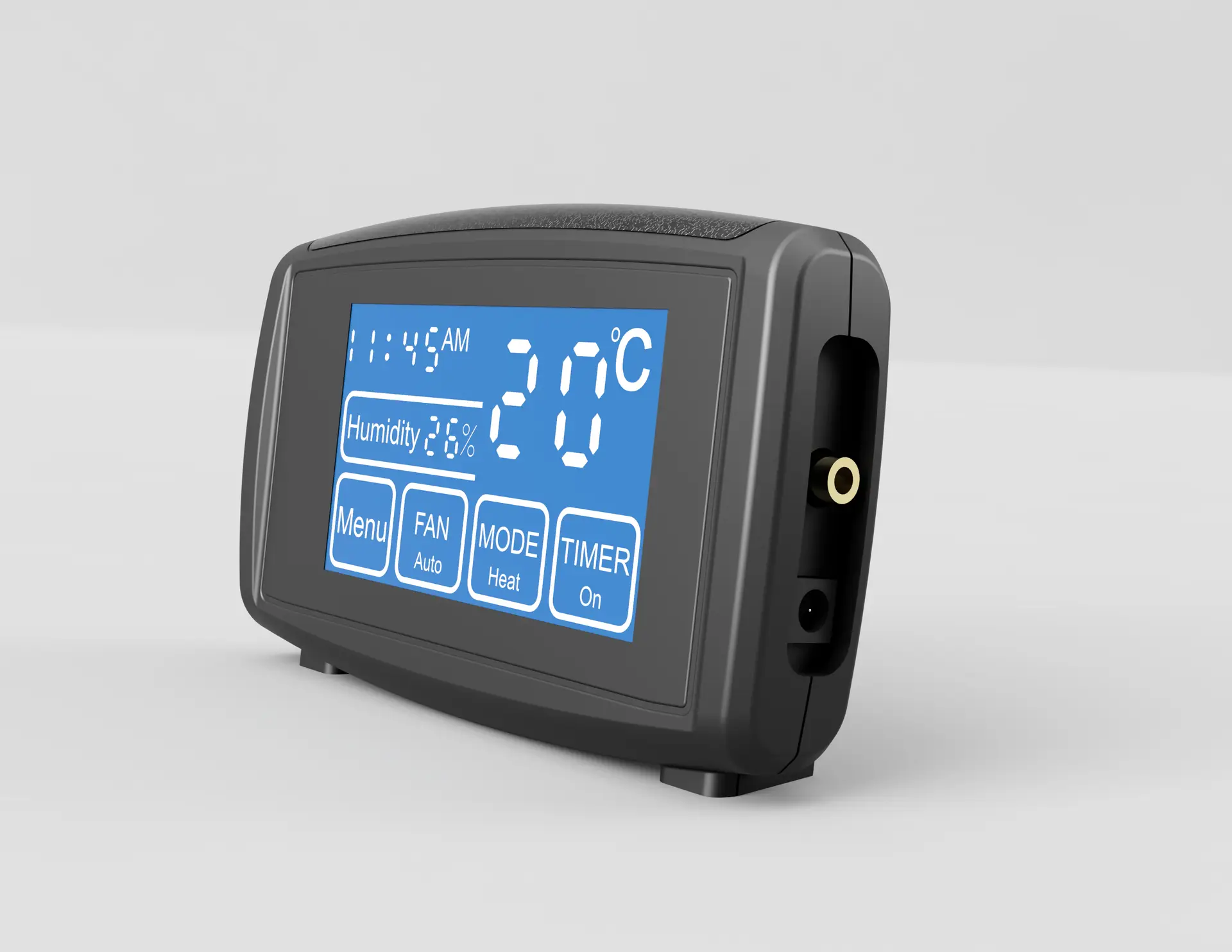
IOT Display system
IOT Display system – Product Design
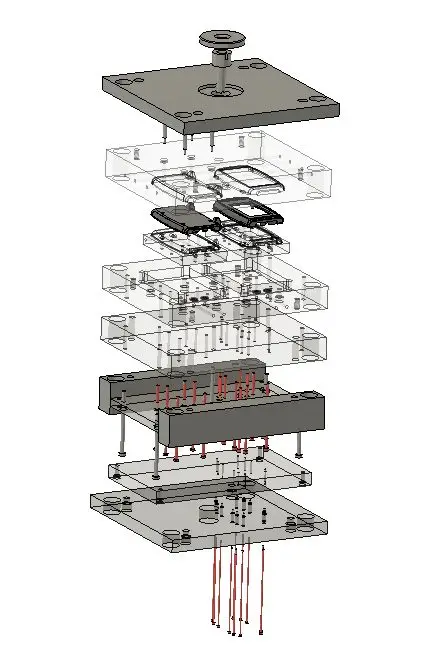
IOT Display System – Injection Mold Tool Design
The Role of Industrial Designers
Industrial designers are the driving force behind the product development process, transforming ideas into tangible, market-ready solutions. Their expertise lies in collaborating with cross-functional teams—including mechanical engineers, marketing professionals, and manufacturers—to develop innovative solutions that address real-world challenges.
By applying human-centered design principles, industrial designers ensure that every product is intuitive, accessible, and tailored to the needs of its users.
Throughout the development journey, industrial designers are responsible for creating and testing prototypes, gathering user feedback, and refining designs to achieve the best possible outcome. They work closely with design firms and manufacturers to align product features with business objectives, ensuring that each design is not only innovative but also commercially viable.
By bridging the gap between creativity and practicality, industrial designers help companies bring successful products to market, driving both user satisfaction and business growth.
Understanding the role of industrial designers highlights why choosing the right partner is so important. Here’s why 3D DFM stands out.
Why Choose Us: Industrial Designers
Experience
29 Years Experience in the Product Development Process
Our design expertise is rooted in years of hands-on experience, collaborating with clients on the shop floor to tackle complex design and manufacturing challenges.
Client Satisfaction
5 STAR Top Rated Plus Reviews
Achieving Top Rated Plus status places us among the top 3% of more than 12 million freelancers on the Upwork network—a testament to our commitment to quality, reliability, and client satisfaction.
Industry Trust
Proven Track Record in Innovative Solutions
Trusted by industry leaders such as Toyota, Ford, and BMW, we bring unparalleled reliability to every project.
Our expertise and reputation are built on a robust design process. Let’s break down how we turn ideas into reality.
The Design Process
The design process in industrial design is a dynamic and iterative journey that transforms ideas into real-world products. It begins with thorough research to understand user needs, market trends, and technical requirements.
Industrial designers then move into concept development, where they use design thinking methodologies—an approach that involves empathizing with users, defining problems, ideating solutions, prototyping, and testing. This methodology encourages creative problem-solving and ensures that solutions are user-centered and effective.
Prototyping is a critical stage, where designers leverage computer-aided design (CAD) software and digital tools to create and test physical or virtual models. This hands-on approach allows for rapid iteration, enabling designers to refine their concepts based on feedback from users and stakeholders.
Throughout the process, careful consideration is given to materials, production costs, and sustainability, ensuring that the final product is not only effective but also efficient to manufacture.
Key Steps in the Industrial Design Process:
Research: Understand user needs, market trends, and technical requirements.
Concept Development: Generate and evaluate a wide array of innovative solutions using design thinking methodologies.
Prototyping: Create and test physical or virtual models using CAD and digital tools.
Iteration: Refine concepts based on feedback from users and stakeholders.
Material & Production Planning: Select materials and plan for efficient, sustainable manufacturing.
Finalization: Prepare the design for production and market launch.
By embracing a collaborative and research-driven approach, industrial designers deliver solutions that are both creative and practical, ready for successful production and market launch.
To fully appreciate the scope of industrial design, it’s important to understand how it connects with other disciplines.
Related Disciplines
Industrial design is inherently multidisciplinary, drawing on expertise from engineering, art, and business to create well-rounded products. Industrial design combines principles from engineering and art to create products that are both functional and aesthetically pleasing.
Industrial designers often collaborate with mechanical engineers to address technical challenges and optimize manufacturing processes, always keeping production costs in mind. The aesthetic and user experience aspects of products are developed in partnership with artists and other designers, ensuring that each product is visually appealing and user-friendly.
A solid foundation in business principles is also essential, as industrial designers must understand market demands, sales strategies, and the commercial viability of their designs.
Materials science is the study of the properties and applications of materials used in product design, helping designers select the best materials for performance and cost.
Manufacturing techniques refer to the various methods and processes used to produce products efficiently and at scale, such as injection molding, 3D printing, and CNC machining.
Industrial design education programs, offered by leading design schools, equip students with a comprehensive skill set that spans design principles, materials science, and manufacturing techniques. These programs prepare future professionals to navigate the complexities of the industry, fostering the next generation of innovative designers ready to tackle the challenges of modern product development.
The impact of industrial design extends beyond the design studio. Let’s see how it shapes our world.
The Impact of Design
The influence of industrial design extends far beyond the products themselves—it shapes the way we live, work, and interact with the world. Thoughtfully designed products and systems can significantly improve quality of life, making everyday tasks safer, more efficient, and more enjoyable.
Industrial designers bear a responsibility to create solutions that are not only innovative but also sustainable, considering factors like energy efficiency, waste reduction, and recyclability throughout the design process.
By driving the development of new products and services, industrial designers fuel innovation and contribute to economic growth. Organizations such as the national association of industrial designers offer additional resources, professional development, and networking opportunities, supporting designers in their mission to create positive change.
Through collaboration and a commitment to excellence, industrial designers continue to develop products and systems that enhance lives and build a more sustainable future for all.
To address any remaining questions, here’s a summary and FAQ about industrial design.
Summary & FAQ: Understanding Industrial Design
What is industrial design?
Industrial design is the professional practice of designing products used by millions of people every day, combining creativity, engineering, and art to create functional and attractive products.
Why is industrial design valuable?
Industrial design adds value by making products more user-friendly, efficient to manufacture, cost-effective, and visually appealing. It bridges the gap between creativity and practicality, ensuring products succeed in the market.
What is the industrial design process?
The process includes research, concept development (using design thinking methodologies), prototyping, iteration, material and production planning, and finalization for market launch.
How does industrial design relate to engineering and art?
Industrial design combines engineering principles (for functionality and manufacturability) with artistic principles (for aesthetics and user experience) to create well-rounded products.
What impact does industrial design have?
Industrial design improves quality of life, drives innovation, supports sustainability, and contributes to economic growth by bringing successful products to market.
Who benefits from industrial design?
Manufacturers, product developers, students, and end-users all benefit from the expertise and solutions provided by industrial designers.
If you have more questions or want to discuss your next project, contact us today!