
Introduction to CNC Machining
CNC machining is a highly precise manufacturing process that uses computer-controlled machines to shape and form custom parts from a variety of materials. By leveraging advanced CNC machining tools such as mills, lathes, and grinders, manufacturers can achieve intricate part geometry and tight tolerances that meet demanding specifications. The process is adaptable, making it suitable for everything from simple brackets to complex assemblies with multiple features. Optimizing the design for the CNC process—including considerations like rounded corners and proper fixturing—is crucial to ensure efficient and reliable machining, reduce production time, and improve overall performance.
Applying design for manufacturability (DFM) principles during the design phase is essential for maximizing the benefits of CNC machining. DFM ensures that parts are not only functional but also optimized for efficient production, helping to reduce production costs and minimize unnecessary complexity. By integrating DFM guidelines early, manufacturers can streamline the machining process, avoid costly revisions, and deliver high-quality products that meet both performance and budget requirements.
Transition: Now that you understand the basics of CNC machining and DFM, let’s explore why CNC machining DFM is so important for startups.
Why CNC Machining DFM Matters
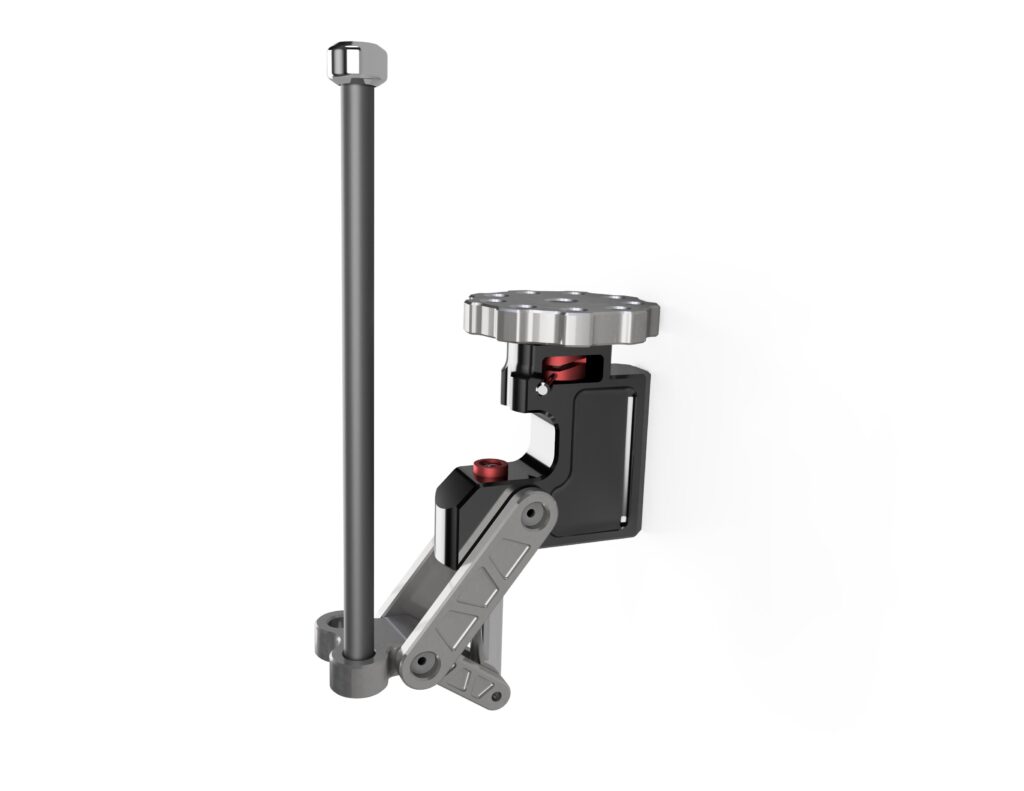
CNC DFM streamlines part production to reduce costs and improve cost effectiveness by minimizing cycle times, material waste, and overall expenses. For instance, optimizing tool paths can cut machining time by 20%, resulting in significant part cost savings, as seen in the Ammunition Reloader example. Consequently, DFM enhances precision and scalability, especially for firearm accessories and medical devices. DFM strategies may vary depending on production volume, as higher volumes can justify specialized tooling and further reduce costs. Collaborating with manufacturing partners early in the process is essential to optimize DFM outcomes and ensure efficient, cost-effective production. With 29+ years of experience, BP Nel Consulting helps US startups achieve cost-efficient CNC designs.
Transition: Understanding the importance of CNC machining DFM sets the stage for applying the right design strategies. Next, we’ll break down the key considerations for effective CNC machining design.
Key Considerations for CNC Machining Design
CNC DFM focuses on manufacturability, with design considerations and design guidelines being essential for achieving efficient and cost-effective outcomes. Understanding CNC capabilities when designing parts and toolpaths is crucial to optimize machining efficiency, reduce tool changes, and ensure high-quality, repeatable production. Here are five key considerations, each explained in detail:
1. Feature Simplification
- Minimize complex geometries to reduce machining time, lower programming complexity, and enable the use of standard tooling where possible.
2. Material Selection
- Choose machinable materials to lower costs and improve manufacturability.
3. Tolerance Optimization
- Specify tight tolerances only where needed, focusing on critical features to avoid unnecessary rework and increased costs.
4. Tool Path Efficiency
- Design parts for fewer tool changes, considering tool diameter and tool access to ensure efficient machining.
5. Fixture Design
- Ensure parts are easily clamped for stability, while minimizing multiple setups to reduce lead times and complexity.
Additionally, planning for secondary operations (such as deburring or surface finishing) during the initial design phase can further improve manufacturing efficiency. Secondary operations refer to additional processes performed after the main machining, like smoothing edges or applying surface treatments.
For example, our Revolving Door Mechanism animation shows simplified features in action. Thus, CNC Machining DFM drives efficiency.
Transition: Understanding these considerations helps avoid common design mistakes, which we discuss next.
CNC Machine and Tooling
The foundation of any successful CNC machining operation lies in the selection and use of the right CNC machines and tooling. CNC equipment comes in various configurations, including 3-axis, 4-axis, and 5-axis machines, each tailored to specific machining tasks such as milling, turning, or grinding. The choice of CNC machining tools—like end mills, drills, and taps—directly impacts the efficiency of the machining process and the quality of the finished part.
Selecting the appropriate tooling is crucial for efficient manufacturing. The right tools help reduce material waste, improve production efficiency, and achieve the desired surface finish. Properly matched CNC equipment and tooling also minimize the risk of manufacturing issues, such as tool breakage or inconsistent finishes, which can lead to production delays and increased costs. By focusing on optimal tool selection and machine setup, manufacturers can streamline their machining operations, reduce material waste, and consistently produce high-quality parts.
Transition: With the right machines and tools in place, it’s important to recognize and avoid common design mistakes that can undermine your DFM efforts.
CNC Machine Capabilities and Limitations
CNC machining stands out for its ability to deliver high precision and flexibility across a wide range of manufacturing applications. With advanced CNC equipment, manufacturers can achieve exceptional dimensional accuracy, intricate part geometry, and superior surface finishes on both metals and plastics. This makes CNC machining ideal for producing custom parts with tight tolerances and complex features, supporting everything from rapid prototyping to low- and medium-volume production.
However, understanding the limitations of CNC machining is essential for effective design for manufacturability (DFM). While CNC machines can handle a broad spectrum of materials, machining extremely hard or brittle materials can lead to increased tool wear, longer machining times, and higher costs. Internal features such as deep cavities or sharp internal corners may require additional machining operations or custom tooling, which can drive up production time and expenses. Additionally, specifying unnecessarily tight tolerances or overly complex geometries can increase programming complexity and material waste, making the process less cost effective.
By recognizing both the capabilities and constraints of CNC machining, designers can apply DFM principles to optimize part geometry, select appropriate materials, and ensure that internal features are manufacturable. This approach not only streamlines the machining process but also helps reduce costs and avoid production delays.
DFM Principles for Deep Pockets and Complex Geometries
Deep pockets and complex geometries are common in CNC machined parts, but they can present significant challenges for efficient manufacturing. To optimize these features, DFM principles recommend simplifying designs wherever possible. For deep pockets, consider using stepped or open designs that allow for two-sided machining, which can reduce machining time and eliminate the need for custom tooling. Incorporating fillets into internal corners not only improves tool access but also helps distribute stress, reducing the risk of cracking and extending tool life.
When dealing with complex geometries, it’s important to design features that align with the capabilities of standard CNC machining tools. Breaking down intricate shapes into simpler, more manageable features can minimize the number of setups and tool changes required, further reducing machining time and material waste. Avoiding sharp internal corners and maintaining consistent wall thickness throughout the part also contribute to more efficient manufacturing and higher quality machined parts.
By applying these DFM principles, designers can ensure that deep pockets and complex geometries are both functional and manufacturable, leading to cost-effective production and reliable performance in the final product.
Comparison with Injection Molding
When selecting the right manufacturing process for your project, it’s important to compare CNC machining and injection molding, as each offers distinct advantages and considerations. CNC machining excels in flexibility, allowing for rapid design changes, a wide range of material selection, and the ability to produce complex part geometry with high dimensional accuracy. It is especially cost effective for low to medium production volumes, as it requires minimal upfront investment in tooling and can quickly adapt to design modifications.
Injection molding, on the other hand, is best suited for high production volumes due to its fast cycle times and low cost per part once the mold is created. However, the process demands significant upfront investment in custom tooling and longer lead times for tool fabrication. DFM principles for injection molding focus on optimizing part geometry for mold release, such as adding draft angles and avoiding undercuts, while CNC machining DFM emphasizes reducing material waste, simplifying features, and ensuring efficient tool access.
Material selection also plays a key role: CNC machining can accommodate a broader range of materials, including those not suitable for molding, while injection molding is typically limited to specific plastics. When deciding between the two, consider factors like production volume, lead time, material requirements, and the complexity of the part geometry. By understanding the process capabilities and applying relevant DFM principles, you can achieve efficient manufacturing, reduce costs, and ensure your parts meet both functional and quality standards.
Common CNC Machining Design Mistakes
Poor DFM increases costs and manufacturing complexity. Here are some common mistakes to avoid:
Overly Complex Features
- Prolongs machining, raising costs by 15-20%. Features such as deep pockets or designs requiring deep cavity milling often demand specialized tooling and excessive material removal, which further increase manufacturing complexity and cost.
Unnecessary Tight Tolerances
- Increases setup time and scrap rates. Specifying overly tight tolerances beyond process capabilities can significantly increase costs and lead to inefficiencies. Apply tight tolerances only where critical for function.
Non-Optimized Tool Paths
- Causes excessive tool wear, adding $1,000s. Tool paths should be planned to minimize unnecessary movements and tool changes.
Poor Material Choices
- Leads to machining difficulties and waste. Select materials that are compatible with CNC machining processes.
Sharp Corners
- Designing sharp corners can create stress concentrations and are difficult to machine with standard tools. Adding radii or fillets improves manufacturability and tool life.
Inconsistent Wall Thicknesses
- Variations in wall thicknesses can cause machining vibrations and structural instability. Keeping wall thickness consistent is crucial to avoid defects and ensure part quality.
For instance, a client’s unoptimized reloader had complex geometries, adding $2,500 in costs. CNC Machining DFM prevents these issues.
Transition: By avoiding these mistakes, you can further optimize your design. Next, let’s look at the step-by-step process for implementing CNC machining DFM to reduce material waste.
Steps to Implement CNC Machining DFM to Reduce Material Waste
Implementing CNC DFM requires a structured approach. Follow these steps:
- Design Analysis
- Review CAD models for design features and clarify design intent to align with relevant manufacturing processes, using Fusion360—see more about Design for Manufacture.
- Prototype Testing
- Machine prototypes to identify issues, saving 15-20% on revisions.
- Feature Optimization
- Simplify geometries, minimize material removal, and select appropriate cutting tools to avoid extended machining times and optimize tolerances with engineers.
- Tool Path Simulation
- Use CAM software (Computer-Aided Manufacturing software) to streamline paths, cutting time by 20%. CAM software helps program and simulate machining operations before actual production.
- Validation
- Run pilot production and collaborate with manufacturing partners to ensure manufacturability, quality, and scalability.
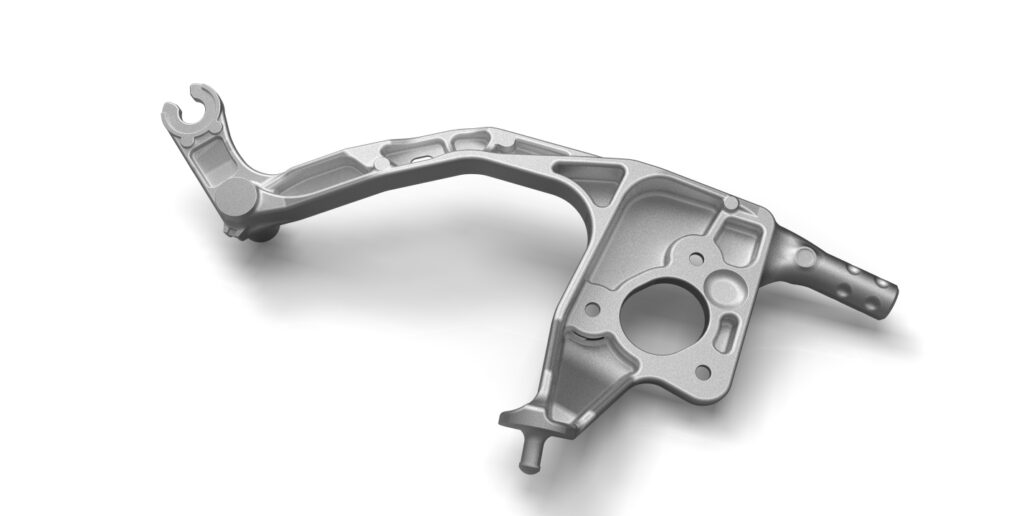
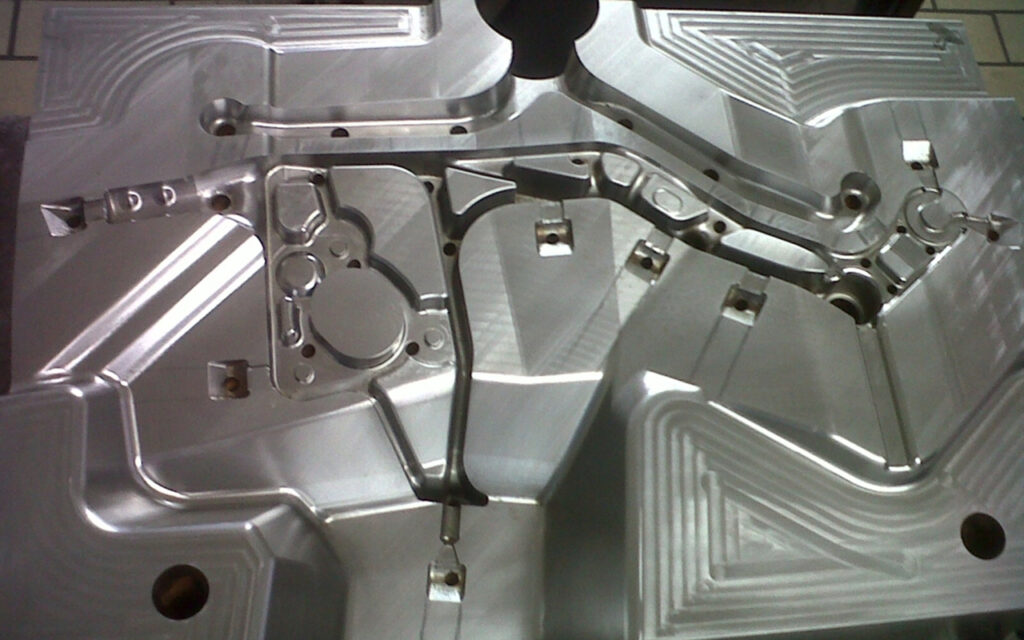
For example, our Toyota Wiper Arm reduced features by 25%, saving $3,500. Following these steps helps reduce costs and ensures efficient production.
Transition: Leveraging technology can further enhance the DFM process. Let’s explore the role of technology in CNC machining DFM.
Role of Technology in CNC Machining DFM
Technology boosts DFM efficiency in several ways:
- CAM Software: Simulates tool paths to minimize cycle times and helps manage programming complexity by identifying and reducing unnecessary feature complexity. Learn more about CAM software.
- 3D Printing: Tests fixturing designs before machining, allowing for rapid prototyping and validation.
- Automation Tools: Suggest geometry simplifications for cost savings.
- Digital Twins: Visualizes machining processes and process capabilities for optimization. A digital twin is a virtual model of the manufacturing process, enabling simulation and analysis before actual production. Learn more about digital twins.
For instance, our Revolving Door Mechanism used CAM simulation to cut errors by 20%. Thus, technology drives CNC Machining DFM success.