
How to Partner with an Industrial Design Agency That Understands Manufacturing
Published: 26 January 2026
Table of Contents
In today’s competitive landscape, businesses need an industrial design agency that not only creates visually stunning products but also understands the complexities of manufacturing. This guide is for business owners, product managers, and engineers seeking to bring new products to market efficiently. Choosing the right partner can mean the difference between a successful product launch and costly delays or redesigns. An industrial design agency is a firm specializing in the creation and development of products that are both functional and manufacturable. A well-informed design agency can bridge the gap between conceptual ideas and production realities, ensuring cost-effective and scalable product development. If you’re looking to collaborate with a design agency that aligns with your manufacturing needs, here’s a comprehensive guide to help you make the right choice.
Why the Right Design Partner Makes a Difference
Finding the best design agency for manufacturing can transform your product development, saving 20-30% on costs. At 3D DFM we offer expertise to deliver production-ready designs, optimized for processes like injection molding. Hiring a Manufacturing Consultant is trusted by US startups.
A knowledgeable industrial design agency will ensure:
Focus on manufacturability and user needs – Designs are tailored to meet both production requirements and the expectations of your customers, leading to better engagement and satisfaction.
Functionality of designs – Ensuring every product is practical, usable, and meets customer expectations for performance and reliability.
Designs are manufacturable – Avoid costly redesigns due to impractical designs.
Cost efficiency – Optimizing designs to minimize material waste and production expenses.
Faster time-to-market – Reducing the number of iteration cycles in prototyping and production.
Scalability – Ensuring the product can be efficiently mass-produced without quality loss.
Benefits of Partnering with a Design Agency
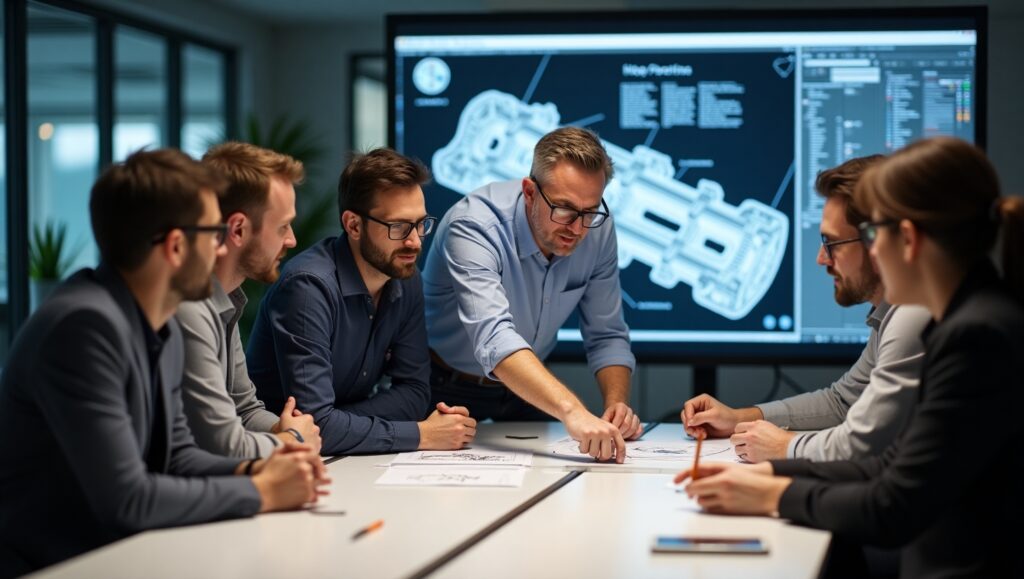
Partnering with a design agency offers companies a wealth of advantages, especially when seeking innovative solutions in industrial design. By collaborating with a multidisciplinary team of experts in industrial design, engineering, and user experience, businesses gain access to a broader range of skills and perspectives. This synergy enables the creation of a compelling visual brand language that not only differentiates your products in the market but also resonates deeply with your target audience.
A design agency brings valuable market research and user insights to the table, helping companies identify user pain points and develop solutions that truly address customer needs. Their expertise in packaging design ensures that your product’s packaging is both functional and visually appealing, enhancing the overall user experience and supporting your brand’s positioning.
Staying ahead of market trends is another key benefit. Design agencies continuously monitor shifts in consumer preferences and industry standards, allowing your business to adapt quickly and maintain a competitive edge. By leveraging the agency’s research capabilities and engineering know-how, companies can develop products that are not only innovative but also practical and manufacturable. Ultimately, a design agency acts as a strategic partner, assisting businesses in delivering high-quality, user-focused solutions that succeed in the marketplace.
How to Choose the Best Design Agency for Manufacturing
Not all design agencies are created equal. When selecting an industrial design agency, it is crucial to choose one with a clear strategy for product development, integrating research insights and innovation planning to drive successful outcomes. Additionally, the value of a multidisciplinary approach—combining expertise in design, engineering, market research, and strategic planning—ensures comprehensive solutions that address every aspect of the product creation process. Here are some essential factors to consider when selecting one that aligns with manufacturing requirements.
1. Industry Experience in Manufacturing Design
A design agency with a background in manufacturing will have a deep understanding of materials, production processes, and supply chain logistics. Check their portfolio to see if they have worked with products similar to yours.
Questions to ask:
Have they designed products that have been successfully manufactured?
Do they have experience in your specific industry (automotive, consumer electronics, consumer goods, medical devices, etc.)?
Can they provide references from manufacturers they have collaborated with?
2. Evaluate Their Technical Expertise
A design agency should be proficient in manufacturing-oriented design principles, including expertise in designing products that balance technical requirements and usability:
DFM (Design for Manufacturability) – Ensuring designs are optimized for production. (DFM, or Design for Manufacturability, is the process of designing products so they are easy and cost-effective to manufacture.)
DFMA (Design for Manufacturing and Assembly) – Reducing assembly complexity to save costs. (DFMA, or Design for Manufacturing and Assembly, focuses on simplifying both the manufacturing and assembly processes to reduce costs and improve efficiency.)
Material Selection – Choosing cost-effective, durable, and readily available materials.
CAD & Prototyping Capabilities – Ability to create detailed digital models and functional prototypes, with a strong focus on usability to ensure user-friendly and efficient end products.
Ask about the software tools they use (SolidWorks, AutoCAD, Fusion 360, etc.—popular CAD software tools) and their approach to iterative prototyping.
3. Understand Their Collaboration Process
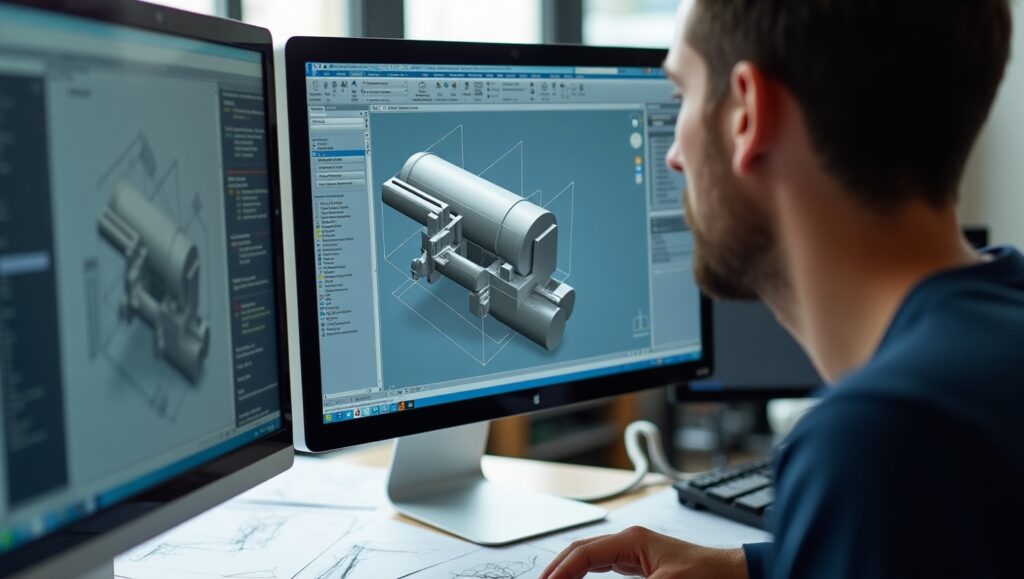
A successful partnership relies on smooth communication and collaboration between your team and the design agency.
Consider the following:
How do they involve stakeholders in the design process?
What communication tools do they use to keep you updated (Slack, Zoom, Trello)?
How do they handle revisions and feedback?
Do they work directly with manufacturers to ensure seamless production transitions?
4. Assess Their Understanding of Manufacturing Constraints
An ideal design agency should be aware of common manufacturing limitations, such as:
Tolerances and precision in CNC machining.
Injection molding design constraints.
Cost implications of complex geometries.
Assembly and disassembly considerations.
They should design with these limitations in mind to avoid expensive redesigns and production delays.
5. Look for Prototyping Capabilities
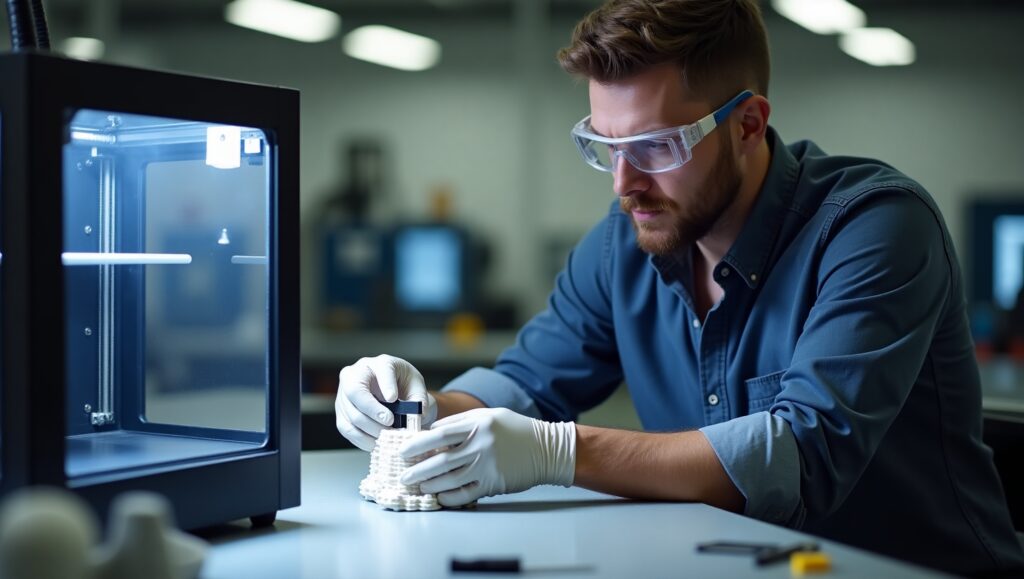
Prototyping is a crucial step before mass production. For any new product, prototyping is essential to validate design concepts and ensure the product is ready for market launch. A design agency that can handle prototyping in-house or has strong ties with prototype manufacturers can streamline the process.
Ask:
Do they offer rapid prototyping services?
How do they test and validate prototypes before finalizing the design?
Can they make quick iterations based on manufacturing feedback?
6. Ensure They Align with Your Business Goals
Beyond technical expertise, the right design agency should align with your business objectives. Whether you prioritize sustainability, cost-effectiveness, or speed to market, the agency should tailor its approach accordingly. The right industrial design agency can also help position your business for future success by anticipating market trends and ensuring your products are ready to meet evolving industry standards.
Questions to consider:
Are they flexible with timelines and budgets?
Do they incorporate sustainable design practices?
Can they scale designs for mass production?
Design Thinking and Problem-Solving in Manufacturing
Design thinking is at the heart of effective problem-solving in manufacturing. This human-centered approach places the needs and experiences of users at the forefront of the design process, ensuring that every solution is both innovative and practical. By integrating design thinking, companies can better understand their target audience and develop products that truly address real-world challenges.
A design agency can guide businesses through the design thinking process, from initial ideation to final product development. This collaborative approach encourages engineering teams, designers, and stakeholders to work together, fostering creativity and ensuring that all perspectives are considered. By identifying and addressing potential issues early in the design process, companies can minimize costly rework and avoid delays in manufacturing.
Design thinking also supports the creation of solutions that have a positive impact on users and the market. By focusing on human needs and leveraging the agency’s expertise, businesses can develop functional, user-friendly products that stand out in a crowded marketplace. Ultimately, adopting a design thinking mindset enables companies to solve complex problems, drive innovation, and deliver products that make a meaningful difference.
Steps to Partner with a Design Agency for Manufacturing
Once you have selected a design agency, follow these steps to ensure a successful partnership:
Step 1: Define Clear Objectives
Outline your goals, budget, and timeline. Provide detailed specifications, including:
Target market and user needs, with a focus on understanding consumers’ preferences and behaviors.
Manufacturing constraints.
Performance expectations.
Step 2: Establish a Strong Communication Framework
Maintain open communication through regular meetings, shared project management tools, and collaborative feedback sessions. Ensure all stakeholders, including engineers and manufacturers, are involved in key discussions.
Step 3: Develop and Test Prototypes
Work with the agency to create functional prototypes and test them rigorously. Gather feedback from manufacturers to identify potential production challenges.
Step 4: Transition to Manufacturing
Once the final design is approved, work closely with the agency and manufacturers to ensure a smooth transition. Address any last-minute adjustments before full-scale production begins.

Overcoming Challenges in the Design Partnership
While partnering with a design agency brings many benefits, it also presents certain challenges that companies must navigate. One common hurdle is ensuring that the agency fully understands your company’s goals, values, and target audience. To overcome this, it’s crucial to establish clear communication channels from the outset and define the project’s objectives and scope in detail.
Managing the design process can also be complex, especially when balancing multiple stakeholders and technical requirements. A skilled design agency can help businesses streamline the process, guiding them from concept development through to product launch. By leveraging the agency’s experience, companies can ensure that the final product is both functional and aligned with their vision.
Budget constraints are another challenge, as businesses strive to achieve high-quality design solutions without overspending. A design agency can assist in optimizing your budget, prioritizing features and solutions that deliver the most value. By fostering a strong, collaborative partnership, companies and agencies can work together to overcome obstacles, ensuring a smooth development process and a successful product launch.
Best Practices for Working with a Design Agency
To maximize the value of your partnership with a design agency, it’s important to follow a set of best practices. Start by clearly defining the project’s objectives and scope, ensuring that everyone involved is aligned and working towards the same goals. Open and transparent communication is key—regular updates, feedback sessions, and collaborative tools help keep the design process on track.
Encourage innovation and creativity by being open to new ideas and allowing the agency to explore bold concepts. Make sure the agency has a deep understanding of your target audience, market trends, and user insights, so that the solutions developed are relevant and impactful. Throughout the design process, prioritize user feedback and testing to refine and optimize the product, ensuring it is both functional and user-friendly.
By embracing these best practices, companies can foster a productive relationship with their design agency, leading to the development of innovative solutions that meet market needs and drive business success.
Common Mistakes to Avoid
When working with a design agency, avoiding common pitfalls can make the difference between a successful project and one that falls short. One frequent mistake is failing to provide clear direction or timely feedback, which can lead to misunderstandings and slow progress in the design process. It’s also important to establish a well-defined budget and project scope from the beginning to prevent cost overruns and scope creep.
Micromanaging the design process can stifle the agency’s creativity and hinder the development of innovative solutions. Instead, trust the agency’s expertise and allow them to take ownership of the project. Don’t underestimate the importance of thorough user research and testing—these steps are essential for developing solutions that truly meet user needs.
Finally, remain flexible and open to iteration. Being too rigid can limit the potential for refining and improving the design. By steering clear of these common mistakes, companies can build a strong, effective partnership with their design agency and achieve outstanding results.
Choosing the right design agency is critical for developing products that are both innovative and manufacturable. By selecting a team with industry experience, technical expertise, and a collaborative approach, you can streamline your product development and manufacturing process. If you’re looking for a design agency that understands manufacturing, consider working with a specialized firm like, 3D DFM Pty Ltd, a recipient of multiple design awards, to bring your vision to life efficiently and cost-effectively.
By following these guidelines, you can form a long-lasting partnership with a design agency that not only meets but exceeds your manufacturing expectations.
Manufacturing Engineering Services:
Injection Molding Design
Electronic Enclosure Design
Sheet Metal Design
Design for Manufacturing Consulting