
DFM Optimization: Boost Profitability | 3ddfm.com
Published: September 18, 2025
Table of Contents
Introduction
DFM optimization, or Design for Manufacturing optimization, is a critical process for product designers, engineers, and manufacturers seeking to streamline product development, reduce costs, and enhance manufacturing efficiency. This page covers the essential concepts, actionable steps, and best practices for implementing DFM optimization in your product development process. Whether you are designing consumer electronics, automotive components, or industrial products, understanding and applying DFM optimization can significantly impact your bottom line.
DFM (Design for Manufacturing) is the practice of designing products so they are easy and cost-effective to manufacture, ensuring high quality and scalability. In today’s competitive manufacturing landscape, DFM optimization is more important than ever due to increasing demand for faster time-to-market, cost reduction, and improved product quality. By focusing on manufacturable design (the practice of creating products that are easy to produce), modular design (designing products with interchangeable, upgradable parts), and prototyping (building early models to test manufacturability), companies can achieve greater profitability and efficiency.
DFM Optimization transforms product development by blending cost-effective design with manufacturing efficiency, thereby boosting profitability. This relevance to profitability and manufacturing efficiency makes DFM optimization a must-have strategy for modern product teams.
At 3DDFM, BP Nel Consulting offers $75/hr expertise to streamline production, saving 20-30%. For example, our DFM Guide showcases waste reduction techniques, unlike inefficient designs that inflate costs. Consequently, early DFM ensures high-quality, affordable products. Therefore, contact us for an audit at 3ddfm.com!
Understanding DFM Optimization
DFM Optimization, or Design for Manufacturing Optimization, refers to the process of designing products in a way that simplifies manufacturing, reduces costs, and improves quality. This approach integrates manufacturing considerations early in the product development process, ensuring that products are manufacturable (easy and cost-effective to produce), scalable, and meet quality standards.
Manufacturable design means creating products that are easy to produce, modular design involves designing products with interchangeable, upgradable parts, and prototyping is the process of building early models to test manufacturability. Considering manufacturing technologies and manufacturing methods during the development process helps address specific manufacturing needs and manufacturing constraints, ensuring the product is optimized for efficient production and scalability. For instance, standardizing parts reduces complexity, as noted in Industry Insights. Moreover, incorporating manufacturing considerations at every stage of design for manufacturability leads to streamlined production, cost savings, and improved product quality. Simplified designs enhance production efficiency, thereby saving time and resources.
With a clear understanding of DFM optimization, let’s explore the key techniques and tools that make it possible.
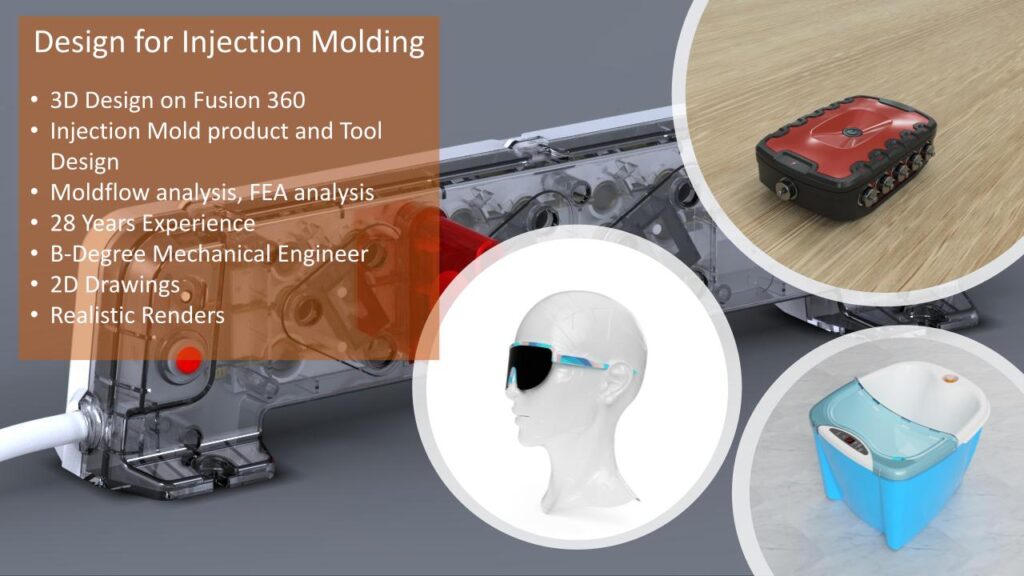
Rule 1: Early Manufacturing Process Integration
Integrating manufacturing processes early in the design phase is essential for successful DFM optimization. Involving engineers and manufacturing experts from the start helps prevent costly issues and ensures a smooth transition from design to production.
Material selection: Use standard resins like ABS to lower costs.
Collaboration: Designers and engineers align on tolerances. Involving manufacturing engineers and material suppliers from the very beginning of the design phase ensures manufacturability, cost-effectiveness, and smooth production.
Prototyping: Test early to catch flaws. Prototyping (building early models to test manufacturability) reduces lead times by 25%, per Design Agency Guide.
Therefore, early integration drives efficiency and sets the stage for effective DFM analysis.
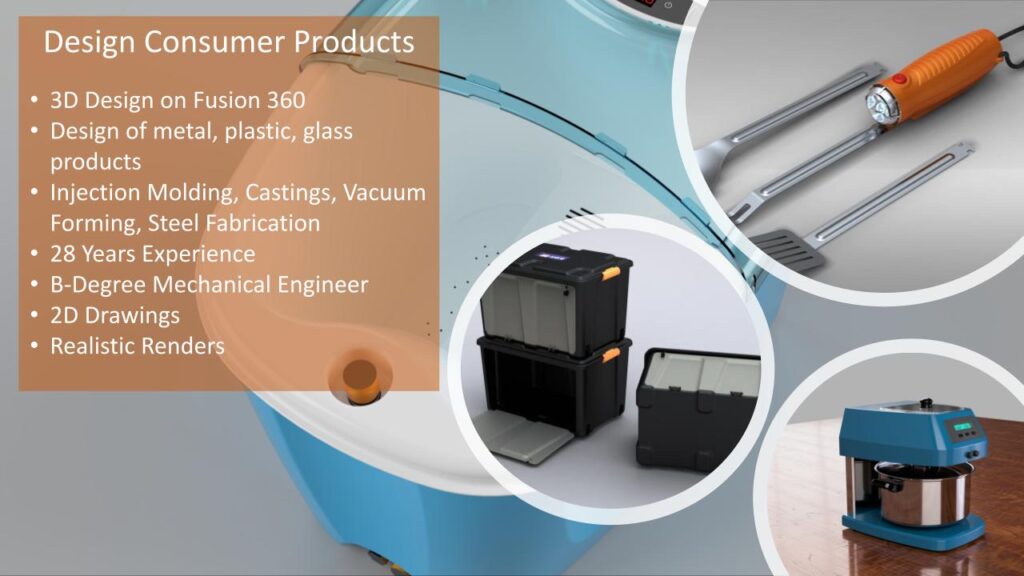
DFM Analysis Techniques and Tools
Design for Manufacturing (DFM) analysis techniques and tools are critical for embedding manufacturing efficiency into every stage of the design process. By leveraging these methods early, design and manufacturing teams can proactively identify and resolve potential production challenges, leading to lower production costs and higher product quality.
Key Analysis Methods
Comprehensive design reviews: Evaluate designs for manufacturability and identify potential issues.
Manufacturability assessments: Analyze how easily a product can be produced using available manufacturing methods.
Simulation tools: Predict how a product will perform during actual production processes.
These steps ensure that DFM principles are applied from the outset, allowing teams to streamline production processes and minimize costly redesigns.
Modern DFM Tools
Modern DFM tools enable teams to visualize and test designs before full-scale manufacturing begins. These include:
Tool | Description | Benefits |
|---|---|---|
Computer-aided design platforms with built-in DFM checks | Identifies manufacturability issues early, reduces design errors | |
Finite Element Analysis (FEA) | Simulation tool for stress, strain, and performance | Optimizes part geometry, ensures product integrity |
Rapid Prototyping | 3D printing and quick model creation | Tests manufacturability, accelerates design iterations |
These tools help reduce material waste by highlighting areas where excess material can be eliminated without compromising product integrity. Additionally, they support efficient manufacturing by optimizing part geometry for the selected manufacturing process, whether it’s injection molding, sheet metal fabrication, or additive manufacturing.
Now that we’ve covered the tools and techniques, let’s examine the tangible benefits DFM optimization brings to manufacturing.
Benefits of DFM Optimization to Reduce Costs
DFM optimization offers a range of benefits that directly impact production costs, efficiency, and product quality.
Workflow Simplification
Simplified workflows: Reduce steps, cutting costs by 20%.
Modular Design
Modular designs: Enable upgrades without overhauls. Modular design refers to creating products with interchangeable, upgradable parts, making maintenance and future enhancements easier.
Automation Benefits
Efficient assembly and optimized assembly process: DFM enables efficient assembly and streamlines the assembly process and assembly line, leading to efficient production and faster time to market.
Automation: Increases accuracy, minimizing errors. For instance, a company saved 30% on tooling with modular parts.
Streamlined Processes
Streamlined processes and manufacturing: DFM helps streamline processes and streamline manufacturing, resulting in cost-effective production and greater cost effectiveness. Thus, DFM enhances competitiveness and profitability.
DFM optimization not only accelerates development but also contributes to lowering costs, reducing costs, enhancing product quality, achieving better quality control, supporting continuous improvement, and enabling cost-effective manufacturing for the final product.
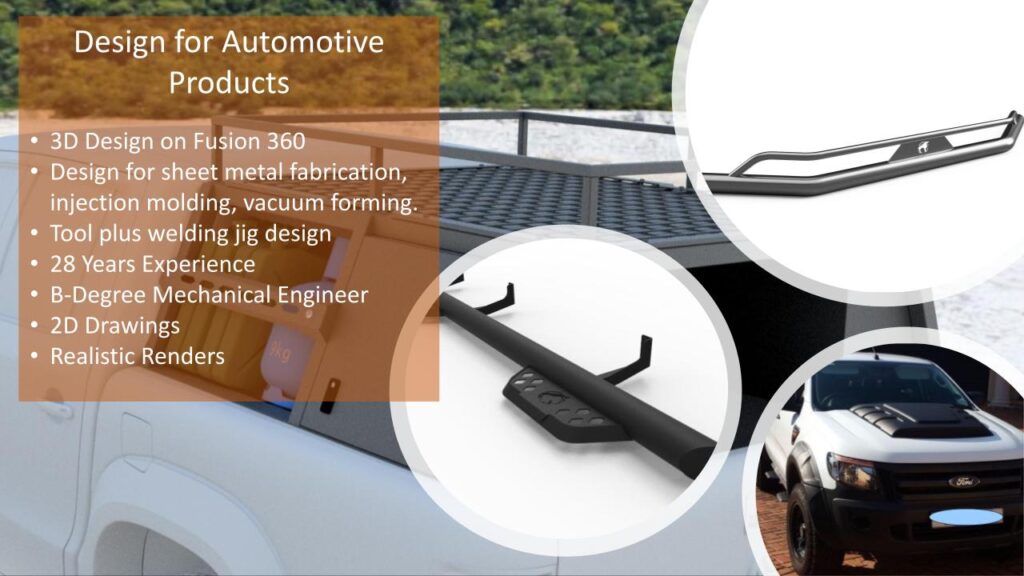
These benefits demonstrate why DFM optimization is a cornerstone of modern manufacturing. Next, let’s look at real-world examples of DFM optimization in action.
Case Study: DFM Optimization Success
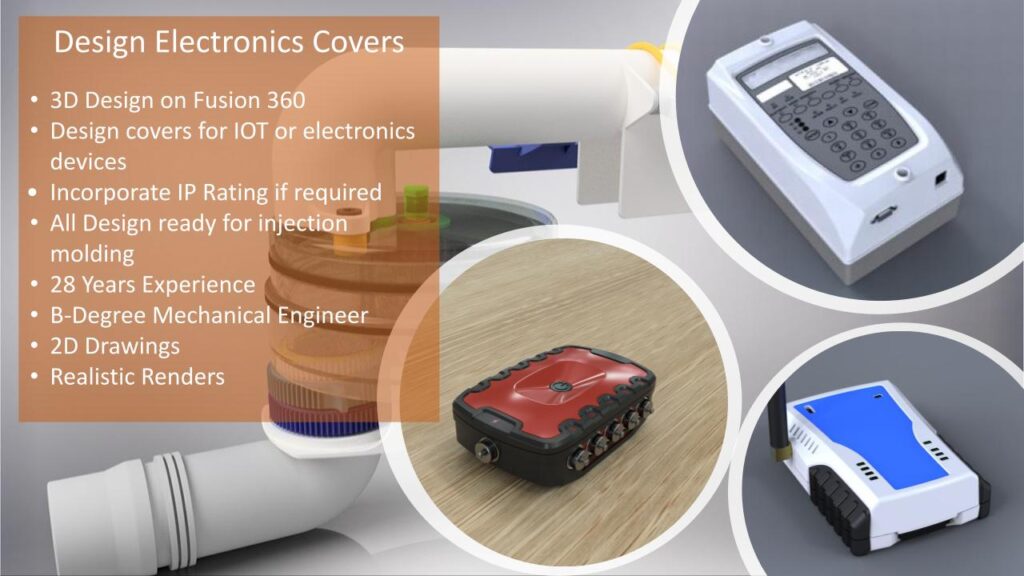
A consumer electronics startup partnered with BP Nel Consulting for manufacturable design. Their initial design had complex undercuts, requiring costly molds. We simplified it with snap-fits, added 1-degree drafts, and standardized tolerances, thereby saving 25% on tooling and speeding production by 30%. In the electronics industry, DFM optimization helps manage material costs, avoid production delays, and streamline the fabrication process to ensure efficient, scalable manufacturing.
Similarly, an automotive supplier used modular designs, consequently cutting assembly time by 20%. In the automotive industry, DFM optimization addresses production volume, enhances production line efficiency through integration of advanced technologies, and leverages manufacturing capabilities to improve reliability and cost-effectiveness.
These successes highlight DFM’s impact. Implementing DFM and following a structured DFM process ensures products are designed in such a way that they meet production capabilities and manufacturing requirements.
By learning from these case studies, you can see how DFM optimization can be applied to your own projects. Now, let’s break down the steps to implement DFM optimization in your product development process.
Steps to Implement DFM Optimization
Implementing DFM optimization requires a systematic approach that integrates design for manufacturing principles throughout the product development process. Following a structured DFM process during the product development cycle ensures that manufacturability, scalability, and cost efficiency are prioritized from the earliest stages, leading to better outcomes.
Here are the key steps to optimize DFM in your product development process:
Subsequently, consistent DFM drives savings and supports continuous improvement.
Audit Designs: Identify cost-driving features and areas for improvement.
Standardize Parts: Use common components across products. Utilizing standard components ensures products are cost-effectively manufactured by simplifying design standardization and enabling scalable manufacturing.
Prototype Early: Use 3D printing to test manufacturability. Involving material suppliers early in the product development process helps optimize material choices and reduce costs during the DFM process.
Leverage Tools: Use CAD and FEA to catch issues early. For example, audits cut cycle times by 15%, per DFM Insights.
Collaborate Across Teams: Ensure designers, engineers, and manufacturers communicate throughout the process to address challenges and optimize outcomes.
By following these steps, you can systematically optimize DFM and achieve better results in your product development projects.
FAQ: Key DFM Principles
What Are the Key DFM Principles?
The key principles of DFM Optimization include:
Early manufacturing integration: Involve manufacturing experts from the start to identify and resolve issues early.
Part standardization: Use common, interchangeable parts to reduce inventory and production costs.
Modular design: Design products with interchangeable modules for flexibility and easier upgrades.
Automation: Implement automated processes to minimize errors and improve consistency.
For instance, standardizing parts reduces inventory costs by 20%. Modular designs offer flexibility, and automation minimizes errors. These principles, per Industry Insights, ensure cost-effective, high-quality production.
Summary: How to Optimize DFM
To optimize DFM in your product development process, follow these actionable steps:
Start early: Integrate DFM principles from the initial design phase.
Audit and review: Regularly assess designs for manufacturability and cost drivers.
Standardize and modularize: Use standard and modular components to simplify production and enable scalability.
Prototype and test: Use rapid prototyping to validate manufacturability and catch issues before full-scale production.
Leverage advanced tools: Utilize CAD, FEA, and simulation software to optimize designs and reduce errors.
Collaborate: Foster communication between design, engineering, and manufacturing teams for continuous improvement.
By applying these best practices, you can ensure your products are designed for efficient, cost-effective manufacturing and long-term success.
Conclusion
Manufacturable design unlocks profitability by streamlining production. Partner with 3DDFM for $75/hr expertise to save 20-30%. Our animations showcase 29+ years of success—see them at 3ddfm.com! Furthermore, enroll in our DFM courses or book an audit today.
Manufacturing Engineering Services:
Injection Molding Design
Electronic Enclosure Design
Sheet Metal Design
Design for Manufacturing Consulting